Rust on Ubuntu shares updates about how we are using the Rust  programming language on Ubuntu. This update is for updates and news that happened during September 2026.
Improved Error Messages in Rust Coreutils
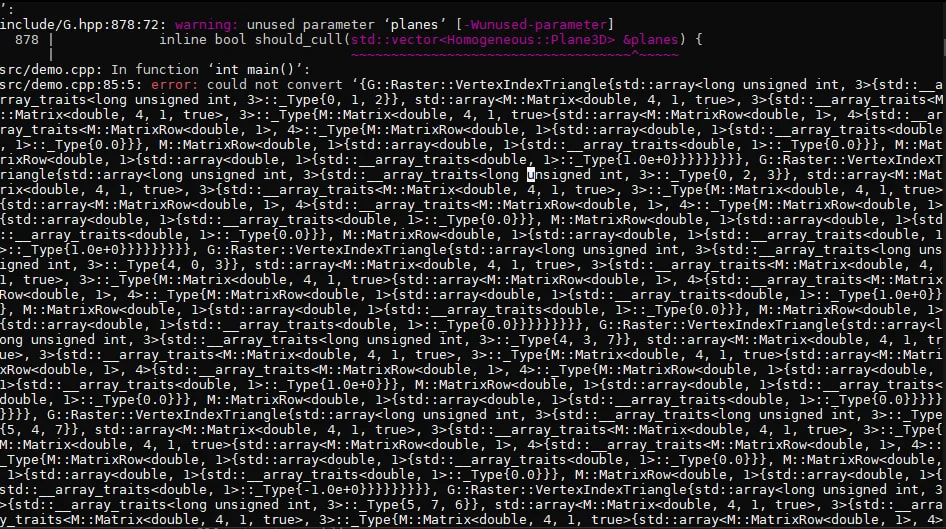
The Rust programming language is very helpful when it comes to errors. Compared to mind-numbing multi-screen C++ template errors:
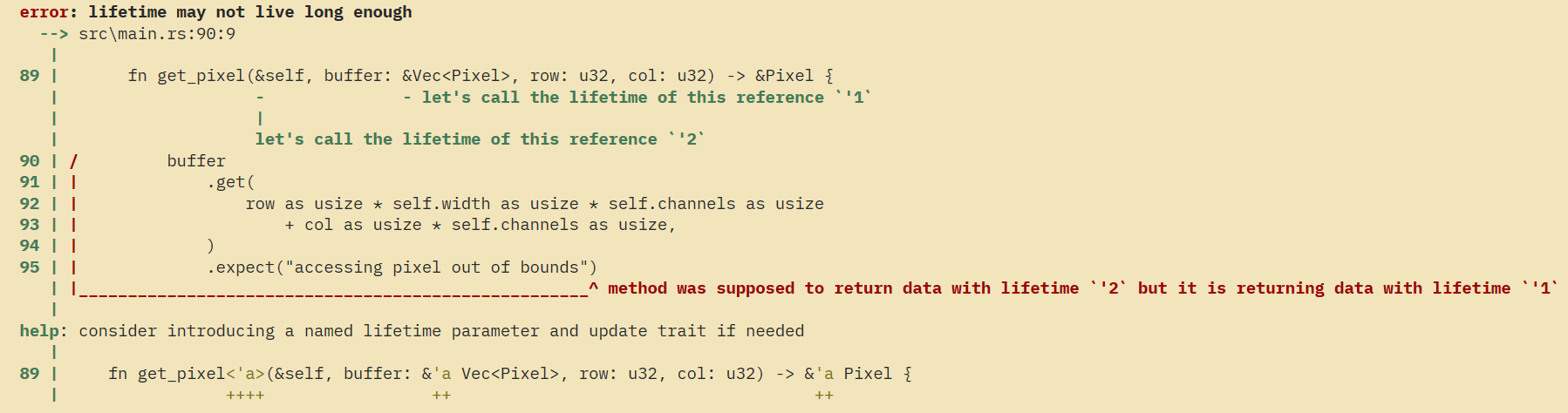
Rust’s error messaging is concise and tries to pinpoint exactly where the error occurred and how to fix it:
On the other hand, terminal commands in Unix-like operating systems such as Linux are known for their laconic output. This is partly due to their origins in teletypewriters. Before screens were widely-available, minicomputers like the PDP-11 used electric typewriter keyboards to enter commands (stdin) and the output was printed to a paper roll (stdout).
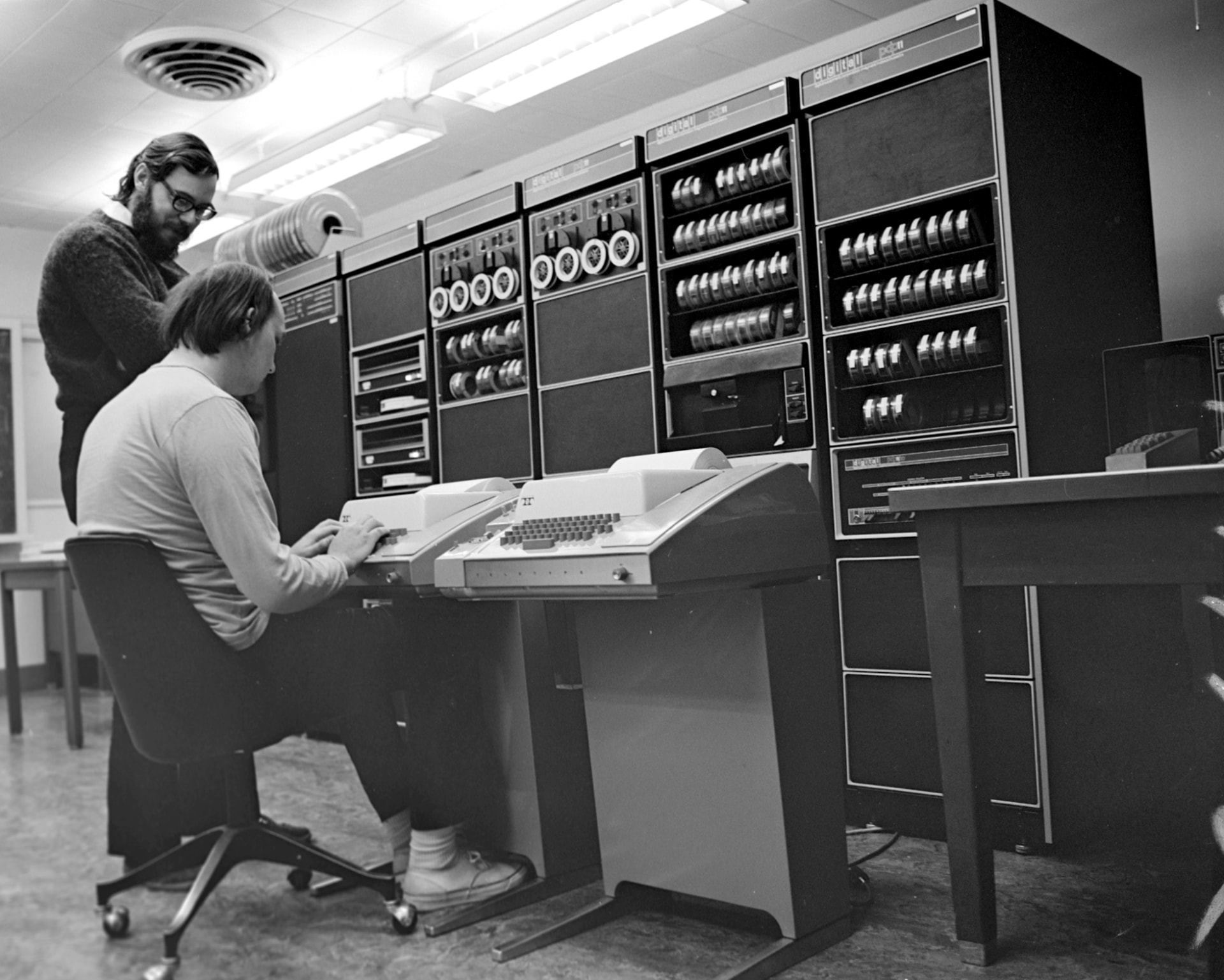
Ken Thompson and Dennis Ritchie developing Unix. Notice the paper
stdout at their workstations.
Paper and printer ribbons were not in infinite supply, so Unix commands were programmed to have concise output. In many cases, successful commands print nothing. This is known as the “Rule of Silence”. The Art of Unix Programming describes it thus: “Well-designed programs treat the user’s attention and concentration as a precious and limited resource, only to be claimed when necessary.” However, in many cases terse error messages on the terminal are less helpful than they could be. Modern stdout is not a paper roll and longer, more descriptive error messages would be better. Starting with Rust Coreutils 0.11.0, the coreutils error messages will be more user-friendly. Read more about it at Sylvestre’s “Pointing At The Error” blog post. This makes Ubuntu more Accessible and easier to use.
“Need an extra hand? How about an ARM?”

Canonical made GitHub Actions self-hosted runners for the Rust’s armv7-unknown-linux-gnueabi target / Ubuntu
armhf machine architecture available to the Rust Project’s GitHub Actions CI / CD. This will allow Rust Project developers to more easily test on this machine architecture. armhf stands for “ARM hard-float” which describes the family of 32-bit ARM processors with dedicated hardware floating-point registers (earlier ARM processors used software-emulated floating-point operations). armhf processors are found today in older smartphones and tablets, older single-board computers like the Raspberrry Pi 2, and a variety of embedded and IoT systems.
“100% Rust? Stonking Fabulous”
With the release of Ubuntu 26.10 “Stonking Stingray”, the system coreutils will be 100% transitioned to Rust Coreutils from the uutils project. This gives the Ubuntu operating system a memory-safe foundation of essential utilities and enables those utilities to take advantage of Rust’s modern tooling and fearless concurrency. Ubuntu 26.10 will ship rust-coreutils 0.12.0.

The
coreutils name comes from the GNU coreutils package which includes core utilities written in C. GNU coreutils was previously three software packages: fileutils, shellutils, and textutils which were in use during the 1990s. These three packages were merged into the GNU coreutils in 2003 (23 years ago!). Being such widely-used software, they are subject to Hyrum’s Law which means that users and applications rely on all parts of their behavior. Most of the coreutils are standardized in IEEE 1003.1-2024 which defines the Portable Operating System Interface (POSIX) which is part of the Single Unix Specification (SUS).
Oxidized OpenPGP
Also new in Ubuntu 26.10 “Stonking Stingray” is Sequoia PGP, a modern and memory-safe OpenPGP implementation written in Rust. Sequoia PGP provides the sq and sqv commands as counterparts to GNU Privacy Guard’s gpg and gpgv commands. In the future, Sequoia PGP may become Ubuntu’s default OpenPGP toolchain, maintaining OpenPGP interoperability while moving to a modern memory-safe implementation.

“Sequoia” comes from the name of a genus of redwood conifer trees that is native to the west coast of the United States. Sequoia redwood trees and their relatives are some of the tallest and heaviest trees in the world.
Rust SDK for Ubuntu Workshop
Ubuntu Workshop is a tool that lets you launch sandboxed development environments that are composable and repeatable with a single command. Select your SDKs to create a single config file that describes what tools you want to use (like the
Rust SDK ) and then launch your workshop with a single command to get a ready-to-use workspace. Give it a try today!
Announcing devpack-for-rust

Have you heard about devpacks? They provide a curated set of tools, libraries, and resources for specific software development needs in a one-command or one-click Snap package install. With devpack-for-spring, devpack-for-go, and now devpack-for-rust, you can go from zero to full power in a flash. Read more at Petra’s “Devpack for Rust” blog post.