Abstract
AI offers huge potential for assistive technology, but cloud-based models bring serious privacy risks and lack offline reliability. For accessibility tools on a Linux desktop, local, on-device AI is essential.
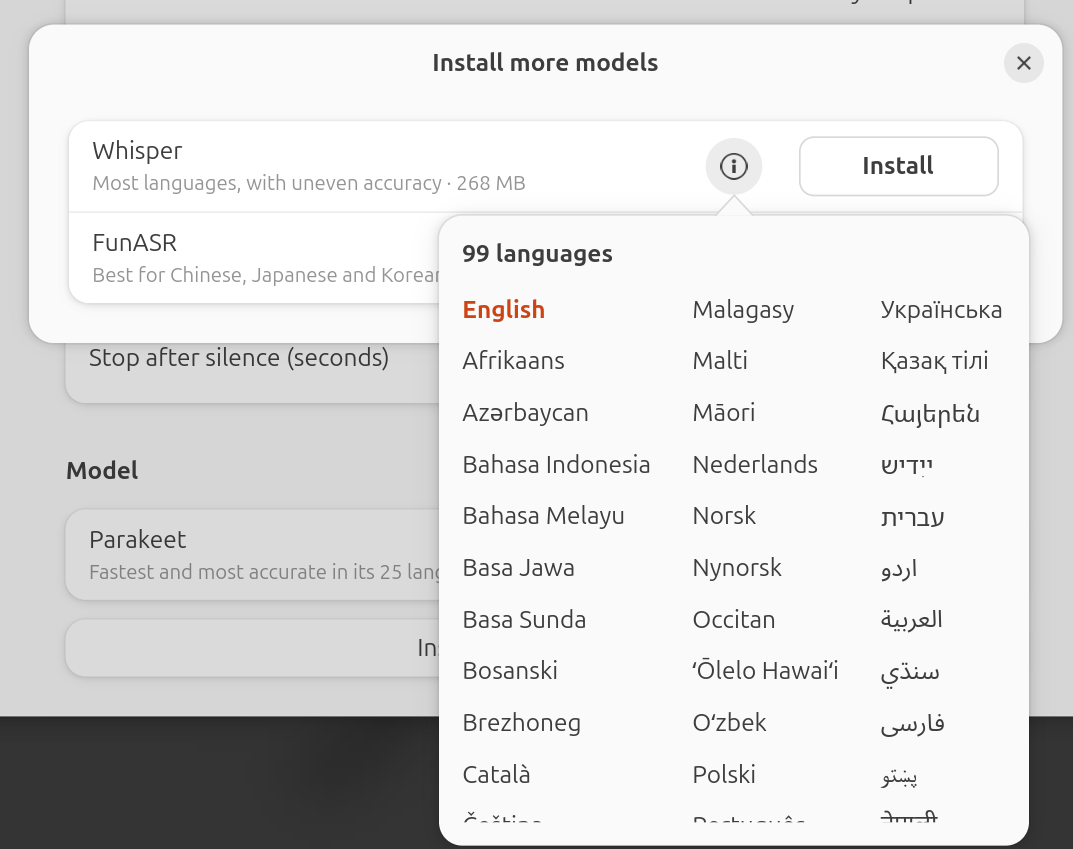
In this talk, Ubuntu Accessibility Engineer Paul Geoghegan shares how Ubuntu is using privacy-first, local AI models to remove everyday barriers for users. The session covers the work behind Project Myna—an ongoing team effort to bring native, offline speech-to-text dictation to the desktop—alongside a broader look at where local AI can practically improve accessibility across Ubuntu.
Speaker Bio
Paul Geoghegan (@paul-geoghegan)
Paul Geoghegan is the Accessibility Engineer for Ubuntu. As a blind engineer, he combines personal lived experience with technical expertise to drive the development of a modern, inclusive Linux desktop. Working across Canonical and the wider open-source community, his work focuses on system-level accessibility, privacy-preserving local AI, and collaborating on native tools like Project Myna to empower users of all abilities.