UbuCon @ PyCon Cameroon 2026: Three Days of Community, Collaboration, and Open Source
Organizing a community conference is about much more than preparing a programme, inviting speakers, and bringing people into a venue. It is about creating an environment where ideas can be exchanged, relationships can be built, and individuals can discover opportunities that extend far beyond the event itself.
From 17 to 19 September 2026, we had the opportunity to experience exactly that during UbuCon @ PyCon Cameroon 2026, held in Yaoundé, Cameroon.
As part of the organizing effort and representing the Ubuntu Cameroon LoCo community, I had the privilege of contributing to the preparations, welcoming international guests, engaging with participants, and witnessing three days of learning, collaboration, and community building.
It was particularly meaningful to see the Ubuntu and Python communities come together, each bringing its own perspectives, experiences, and shared commitment to open-source technology.
Looking back, the experience was both rewarding and instructive, offering valuable lessons about community leadership, event coordination, and the importance of creating opportunities for others.
Behind the Scenes: Preparing for the Conference
One thing that becomes especially clear when you are involved in organizing a conference is that the event begins long before the opening ceremony.
I arrived in Yaoundé a few days before the conference to join the team and follow up on the final preparations. With the event approaching, our attention turned to ensuring that the venue, technical equipment, conference materials, and volunteer arrangements were ready to support the programme.
The day before the conference was particularly demanding.
Together with other members of the organizing team and volunteers, we worked on preparing the halls, testing projectors and technical equipment, checking conference swag, and reviewing the arrangements for the different activities.
We also held a volunteer briefing to discuss responsibilities, expectations, and how the various aspects of the conference would be coordinated.
These may appear to be relatively small tasks when viewed individually, but collectively they determine how smoothly an event runs.
For me, this was another reminder that successful community events depend on teamwork, communication, adaptability, and people who are willing to contribute their time and energy behind the scenes.
Later that evening, I headed to the airport to welcome @pedroleaoc and @danieleprocida, two of our international guests, and accompany them to their accommodation while Steve, community lead for Python Cameroon, handled other guest arrivals.
Although conference reports rarely mention airport pickups, I consider them an important part of the organizing experience. Welcoming speakers and helping them settle in contributes to the hospitality and sense of community we want our events to represent.
By the end of the evening, the final preparations were coming together, and we were looking forward to welcoming everyone.
Day One: Bringing the Community Together
The first day was when weeks of planning and preparation began turning into a shared experience.
As participants arrived, completed their registration, and began interacting with one another, the venue gradually came alive.
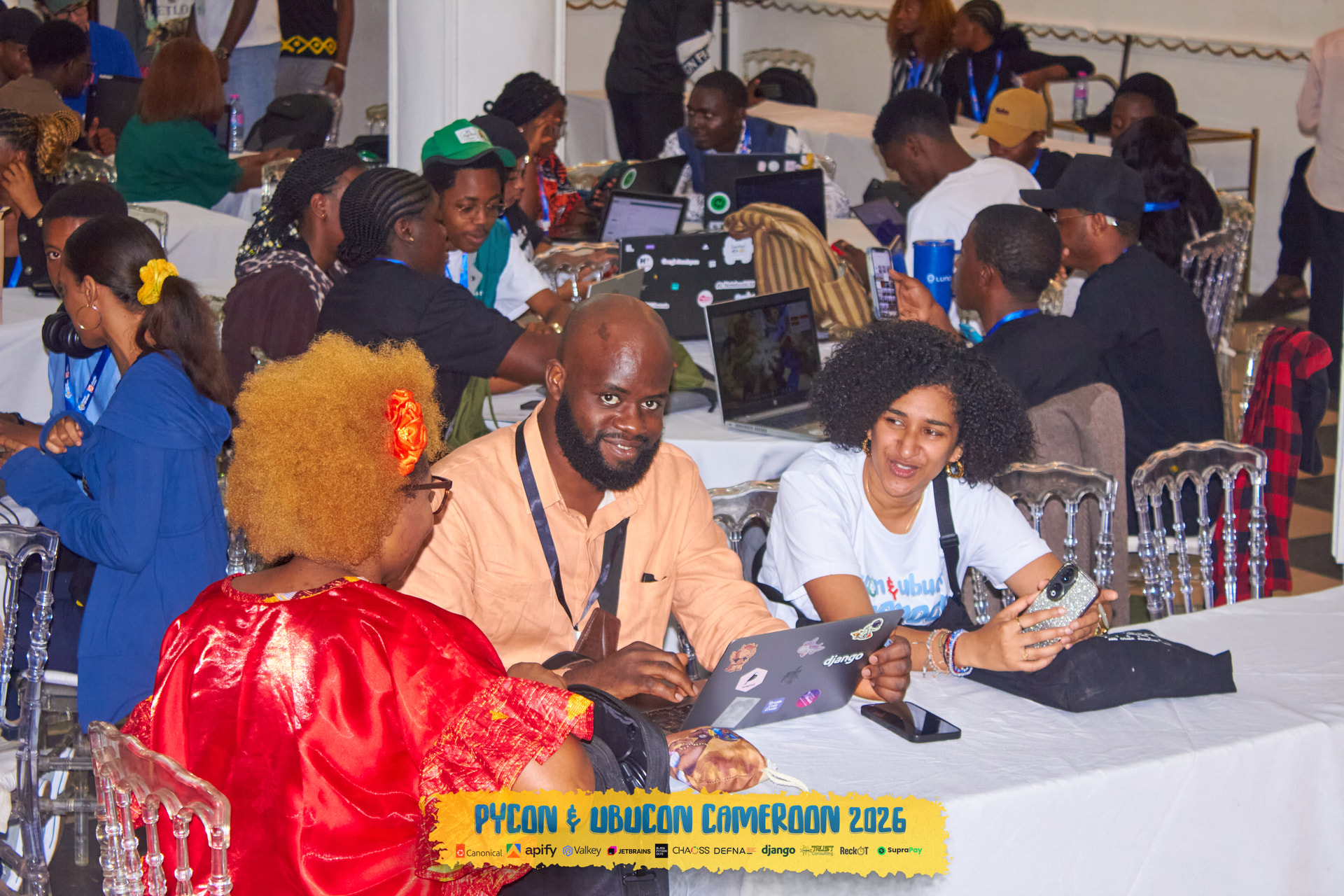
There was a welcoming atmosphere, with attendees meeting new people, reconnecting with familiar faces, exploring the activities, and preparing for the sessions ahead.
The opening keynote helped establish the tone for the conference, highlighting the value of technology communities and the opportunities that emerge when people come together to learn and collaborate.
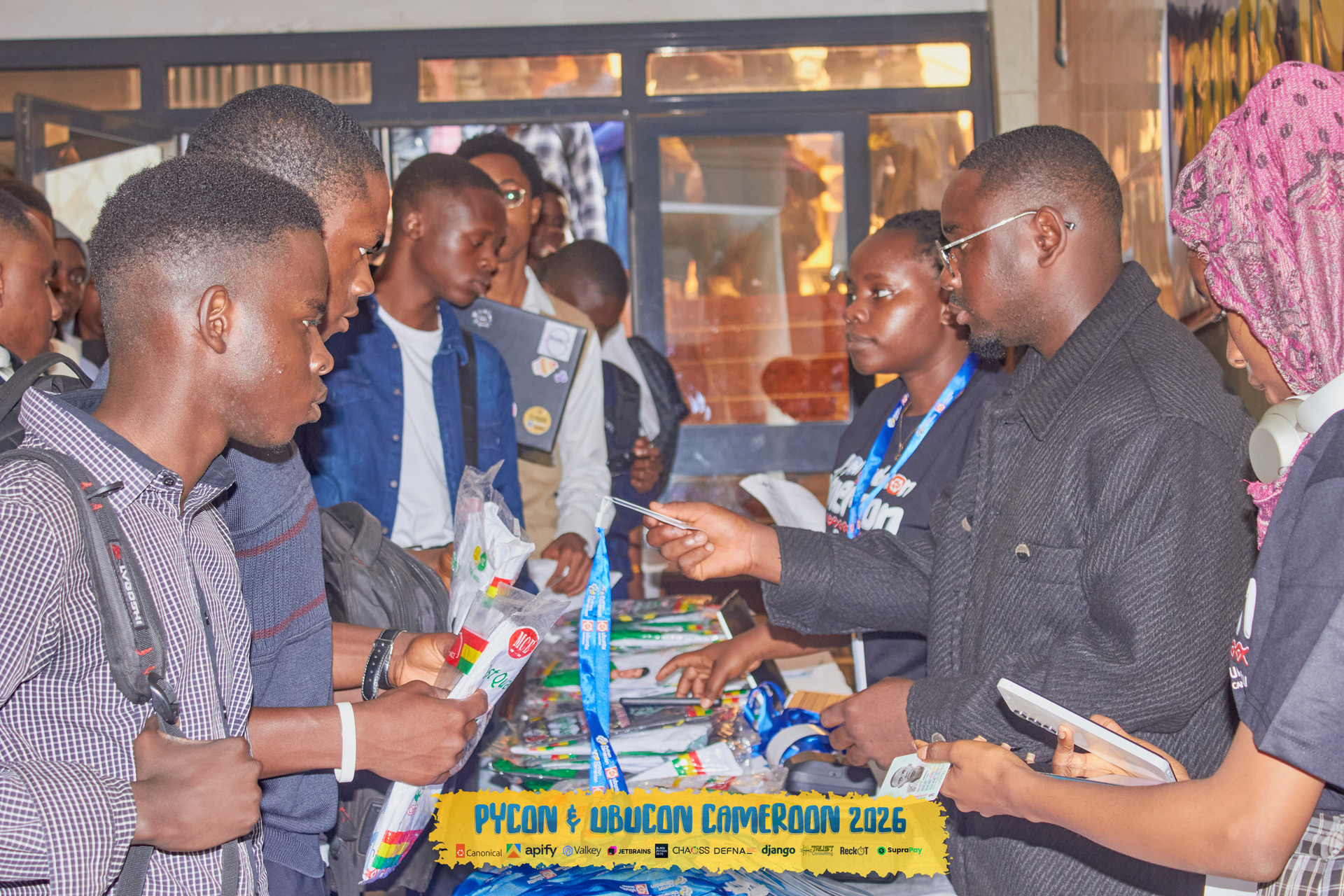
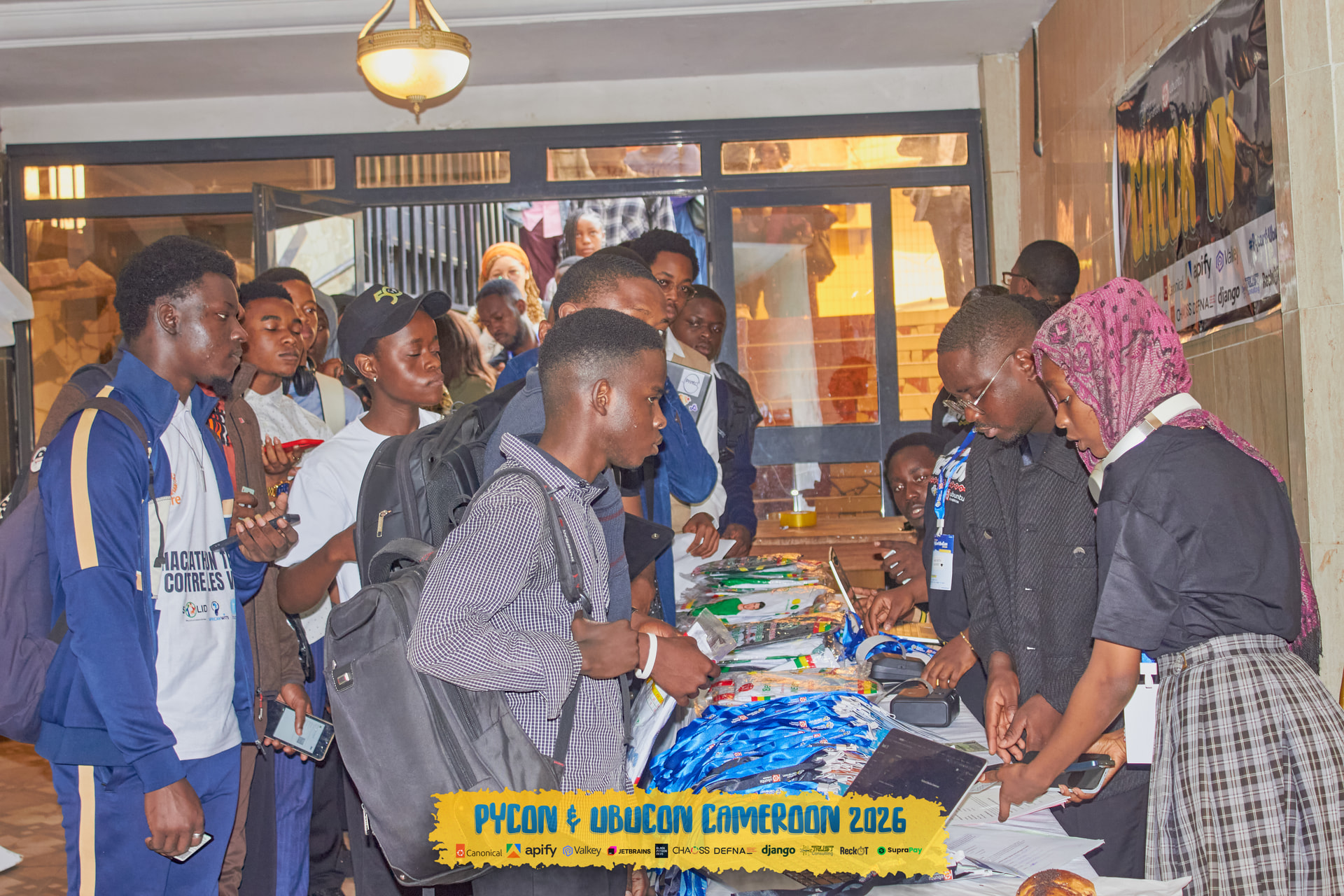

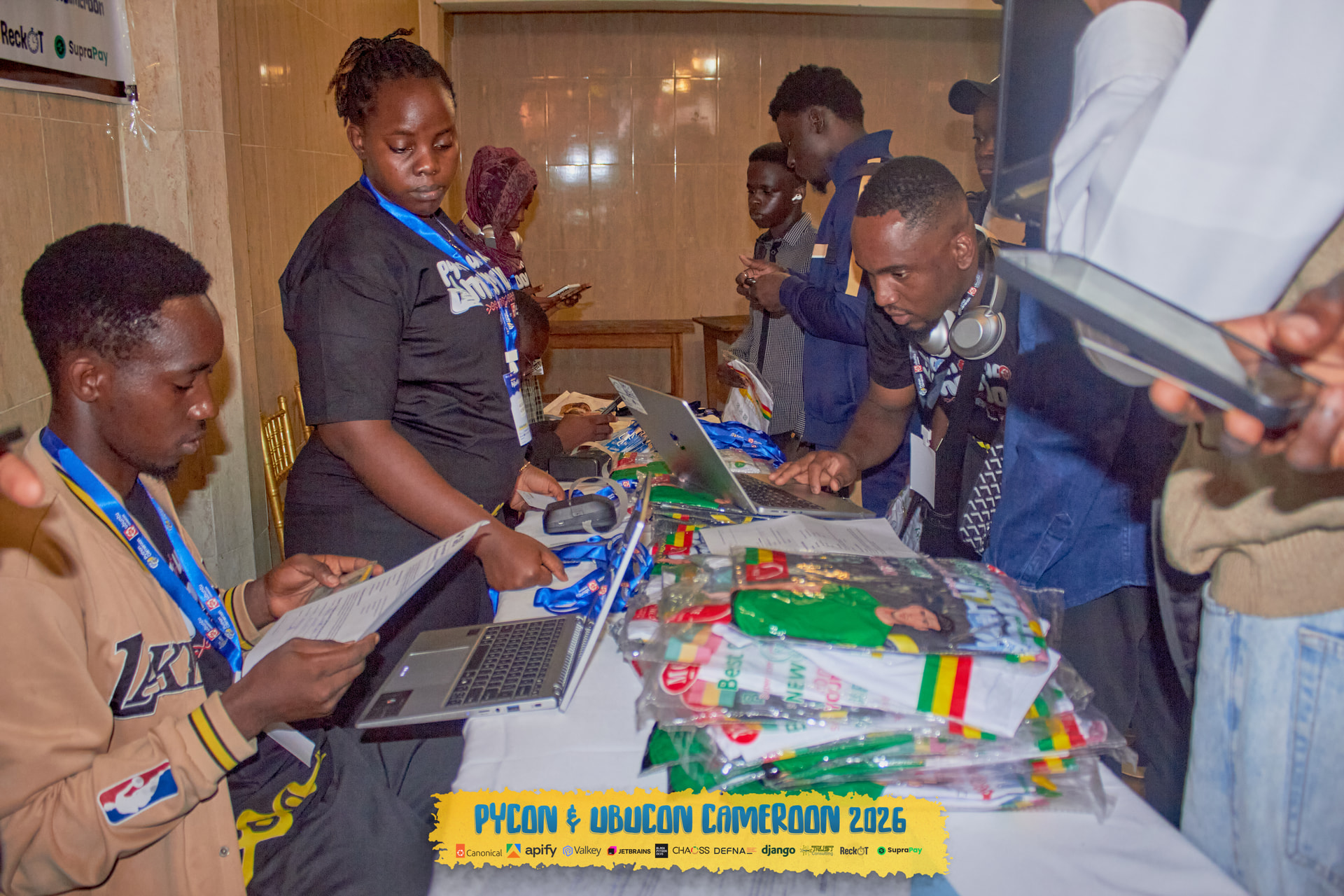
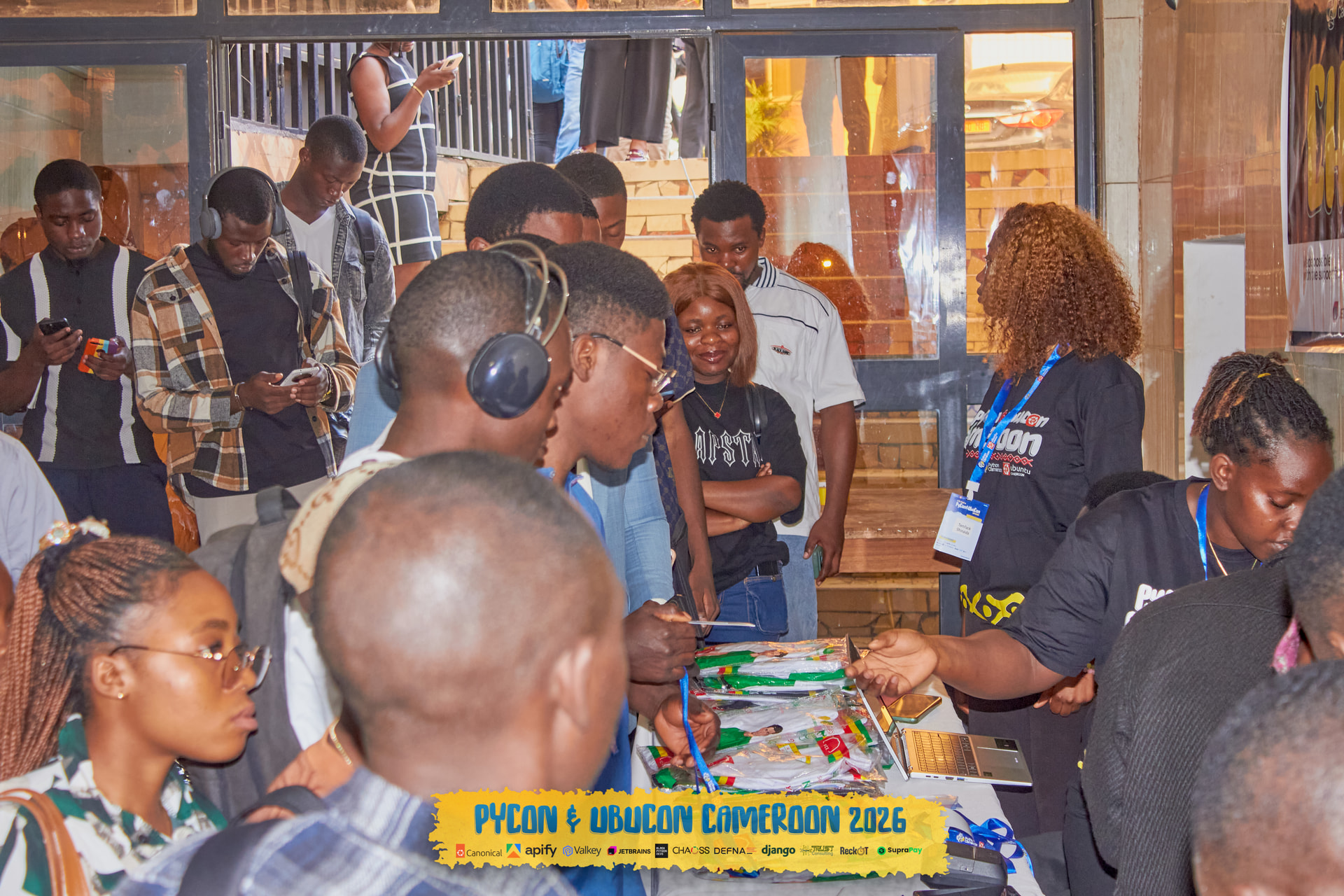

Beyond the formal programme, I particularly appreciated the atmosphere around the venue.
The games, conversations, and informal interactions created space for participants to connect beyond their technical interests.
From an organizer’s perspective, these moments matter.
A successful conference should not simply deliver presentations to an audience. It should encourage participation, create a sense of belonging, and make people feel that they are part of a community.
Seeing participants engage with one another was therefore just as encouraging as seeing the sessions take place.
The first day provided a strong foundation for the rest of the conference.
Day Two: Knowledge Sharing, Career Development, and Community Leadership
The second day was especially meaningful to me, both as an organizer and as a representative of the Ubuntu Cameroon community.
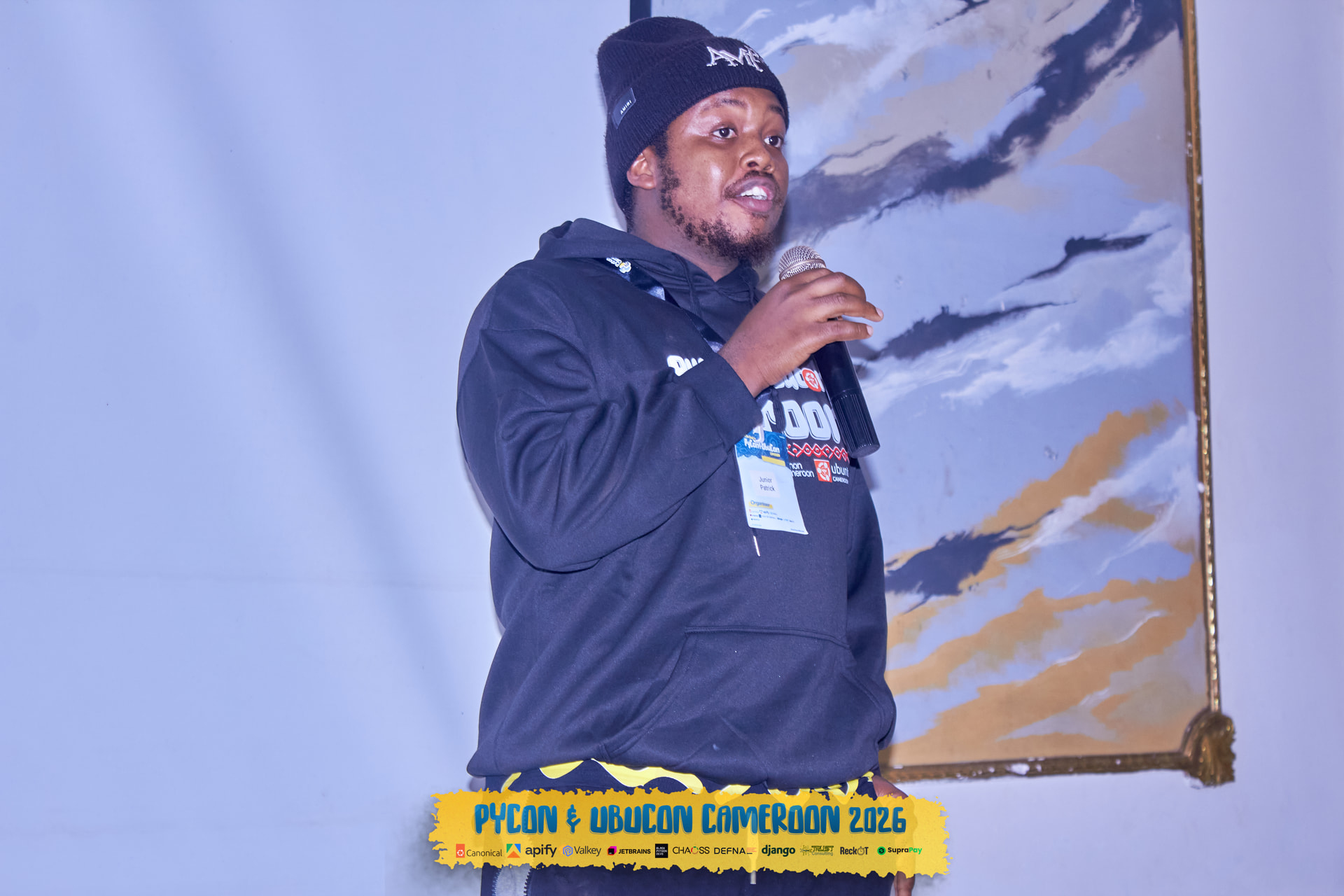
I had the opportunity to deliver a welcome address to participants, speakers, and fellow community members.
Standing before everyone was an opportunity not only to welcome attendees but also to recognize the collective effort that had brought us together.
It was a moment to encourage participants to engage actively, make new connections, exchange ideas, and take advantage of the learning opportunities available throughout the conference.
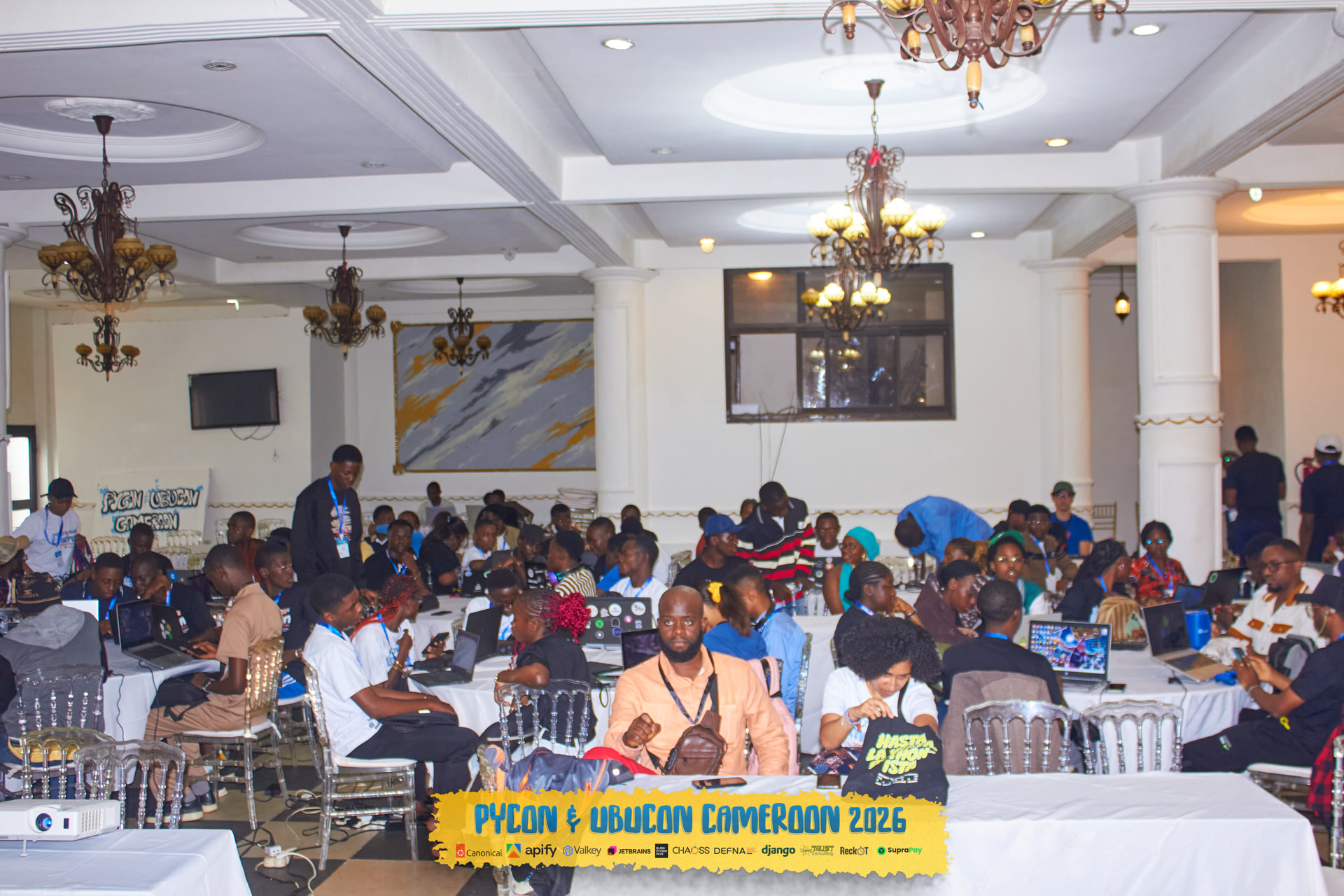
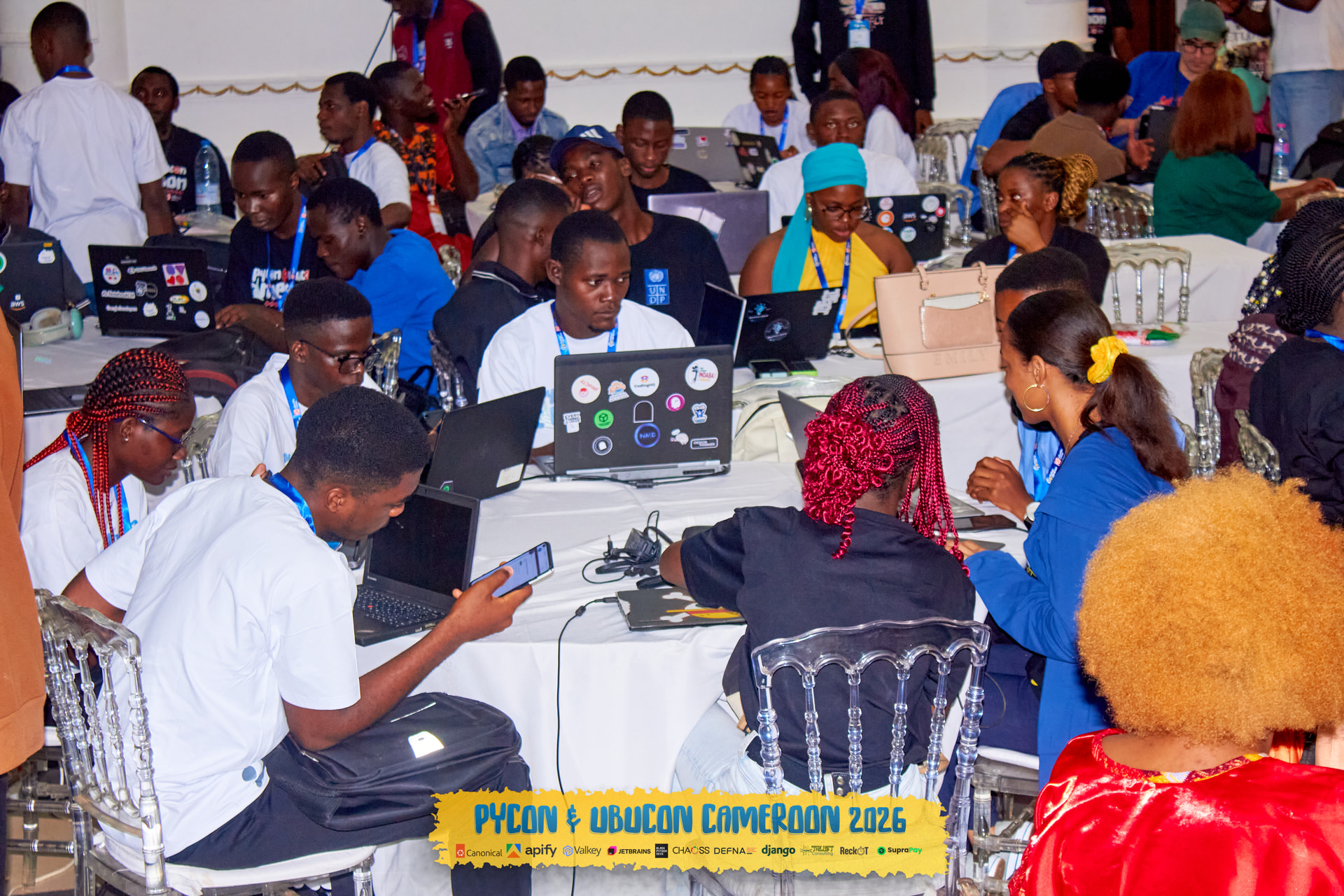
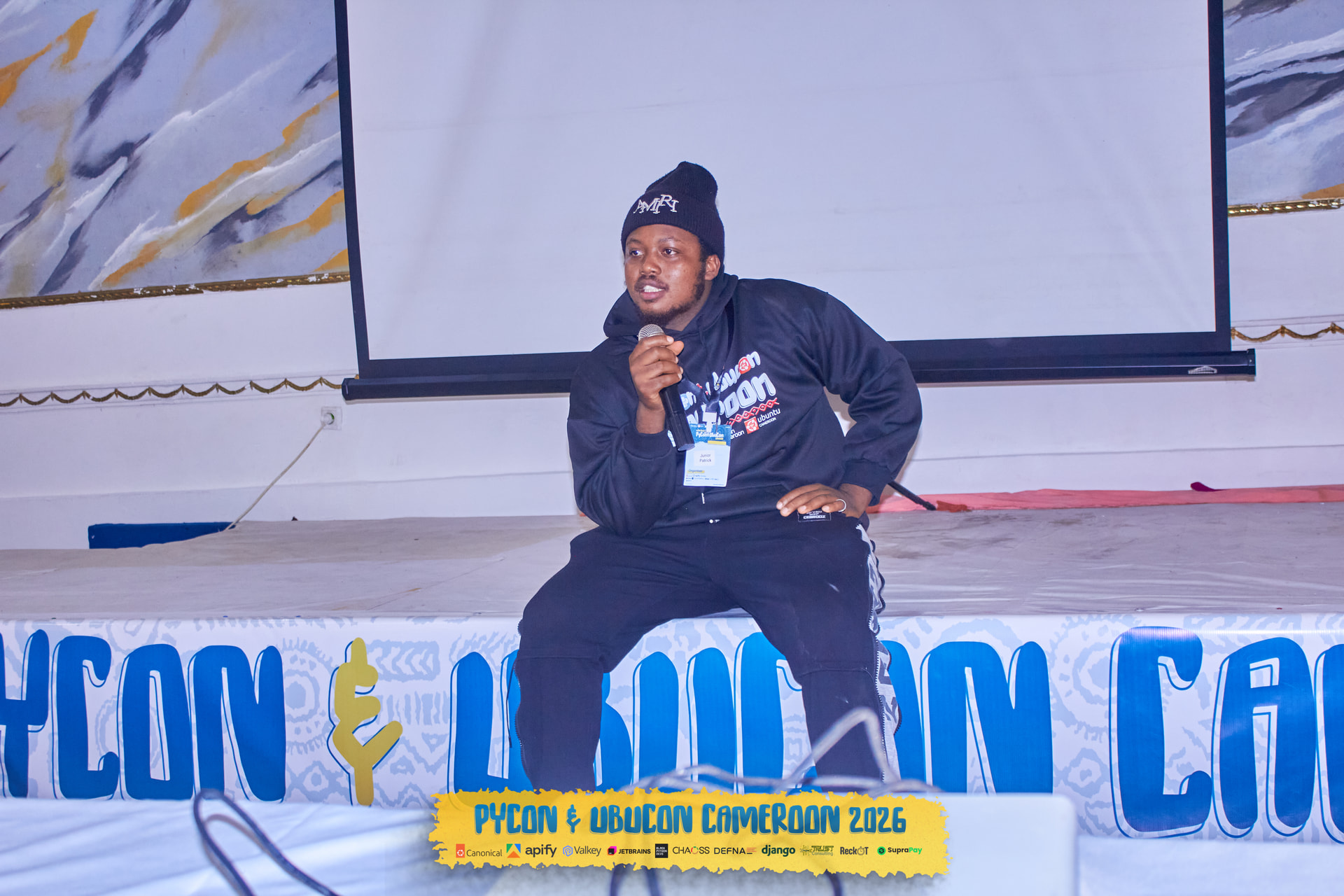
Following the welcome address, the programme continued with the keynote and a variety of technical talks and workshops.
One particularly interesting session was Pedro’s workshop on Gemini, which explored AI-related tools and their potential applications.
As artificial intelligence continues to influence how we build software and interact with technology, opportunities to explore these tools in a practical setting are increasingly valuable.
The workshop demonstrated the importance of combining technical discussions with hands-on learning experiences.
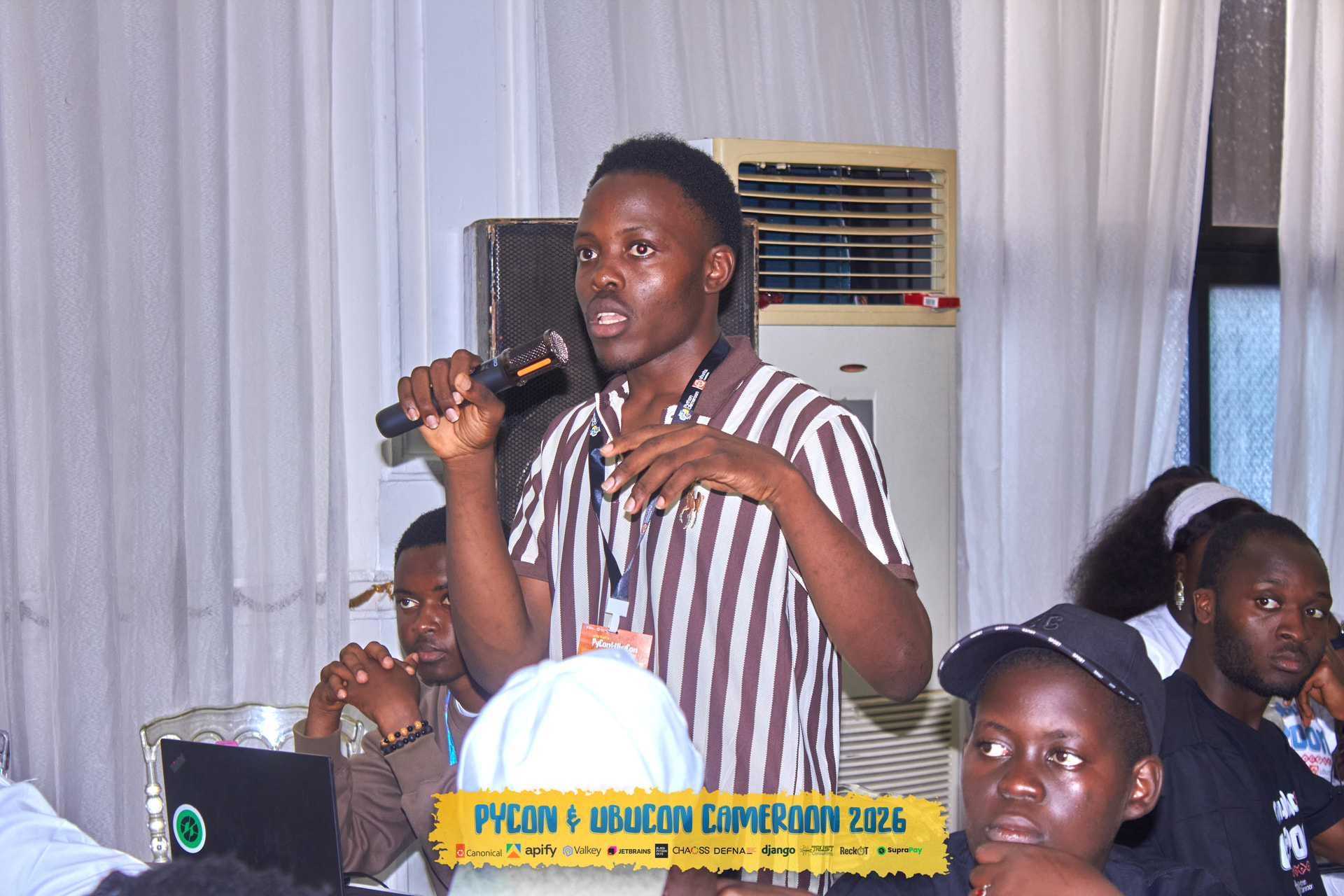
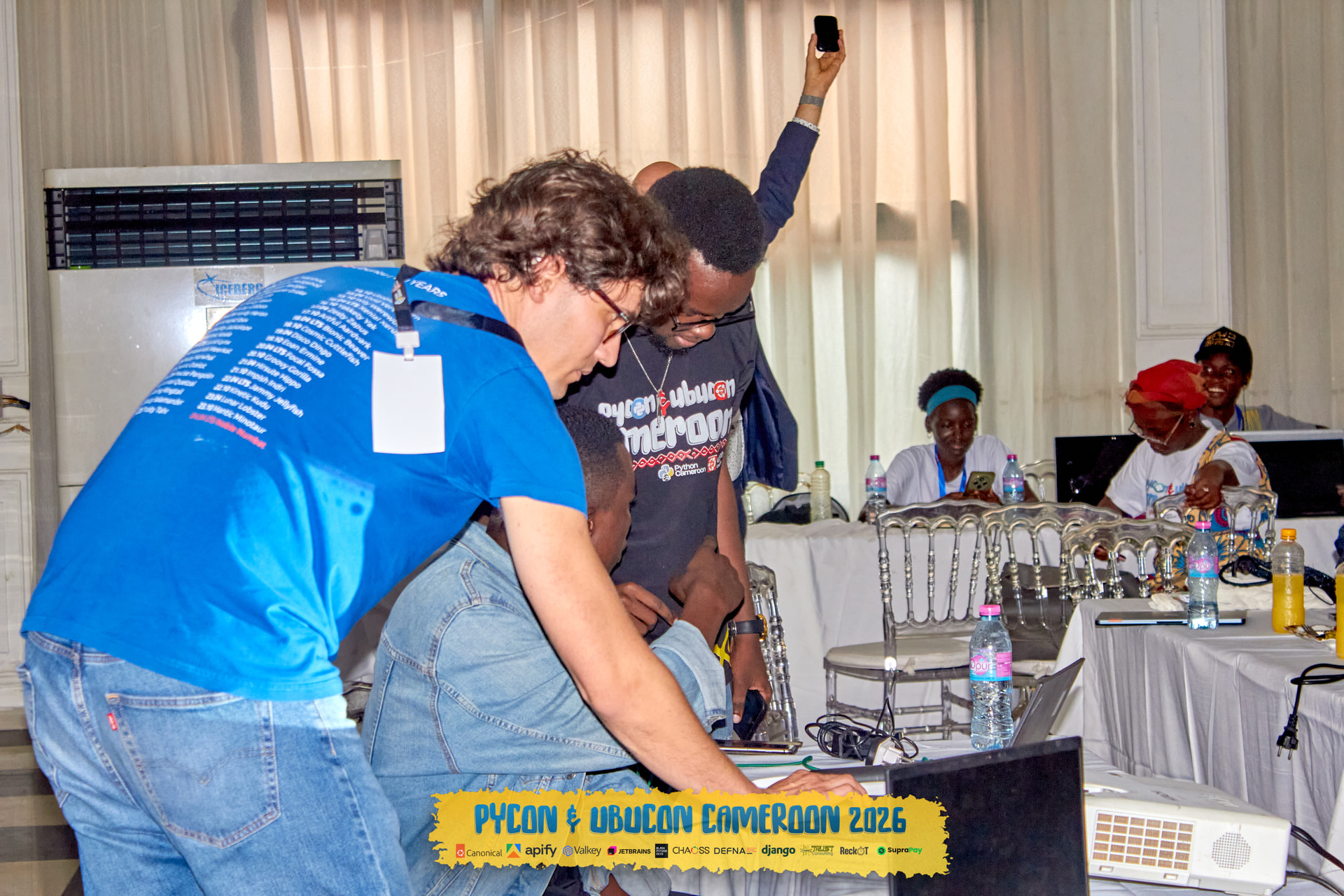
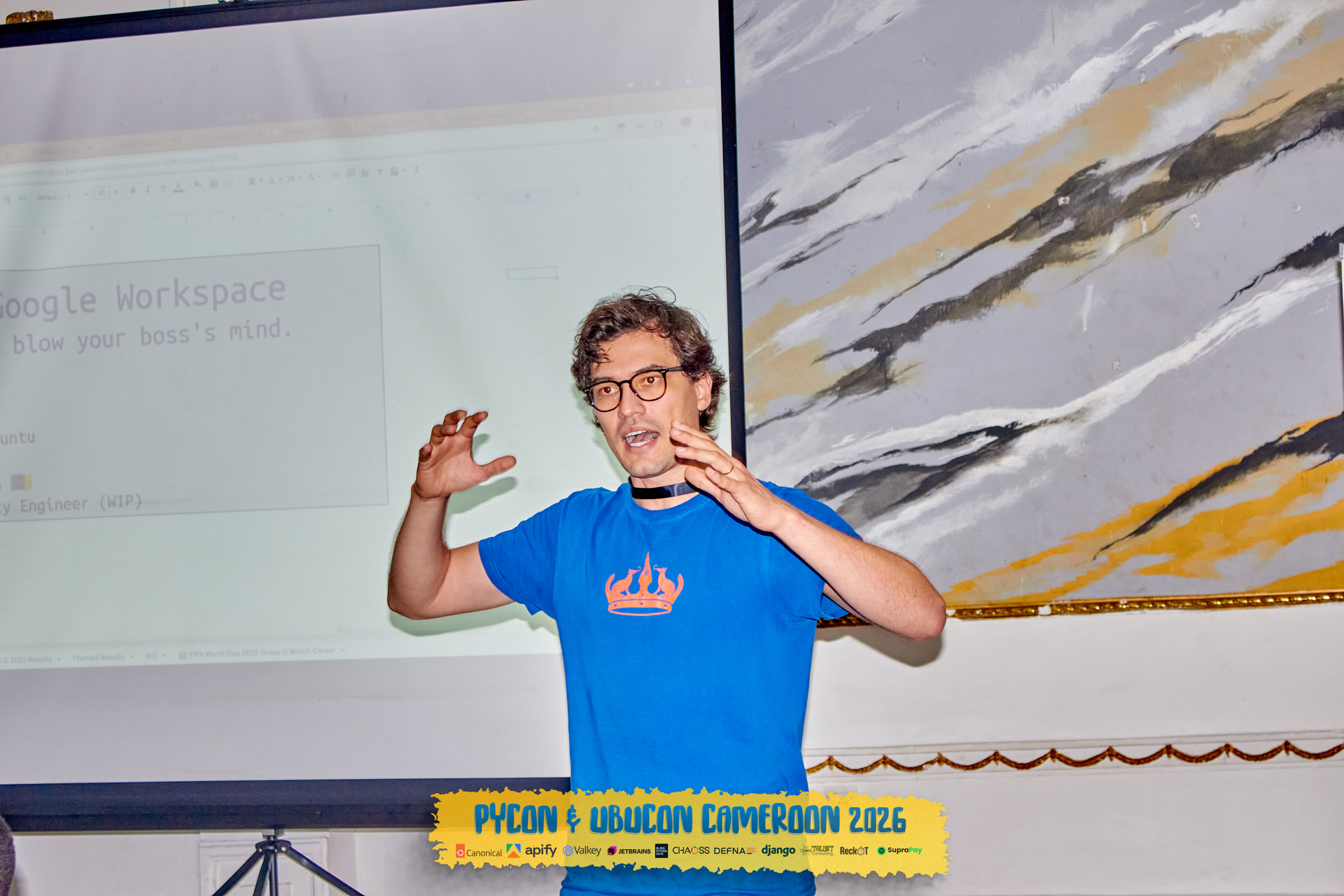
However, the session that left the strongest impression on me throughout the conference was Daniel’s talk and workshop on how to get a job.
As technology communities, we invest considerable effort in helping people learn programming languages, understand frameworks, contribute to open-source projects, and improve their technical abilities.
Yet one equally important question is sometimes overlooked:
How do we help people turn those skills into meaningful professional opportunities?
Daniel’s session addressed this challenge directly.
It shifted the conversation beyond technical competence to professional development, career positioning, and navigating opportunities in the technology industry.
For me, this was one of the most valuable aspects of the entire conference.
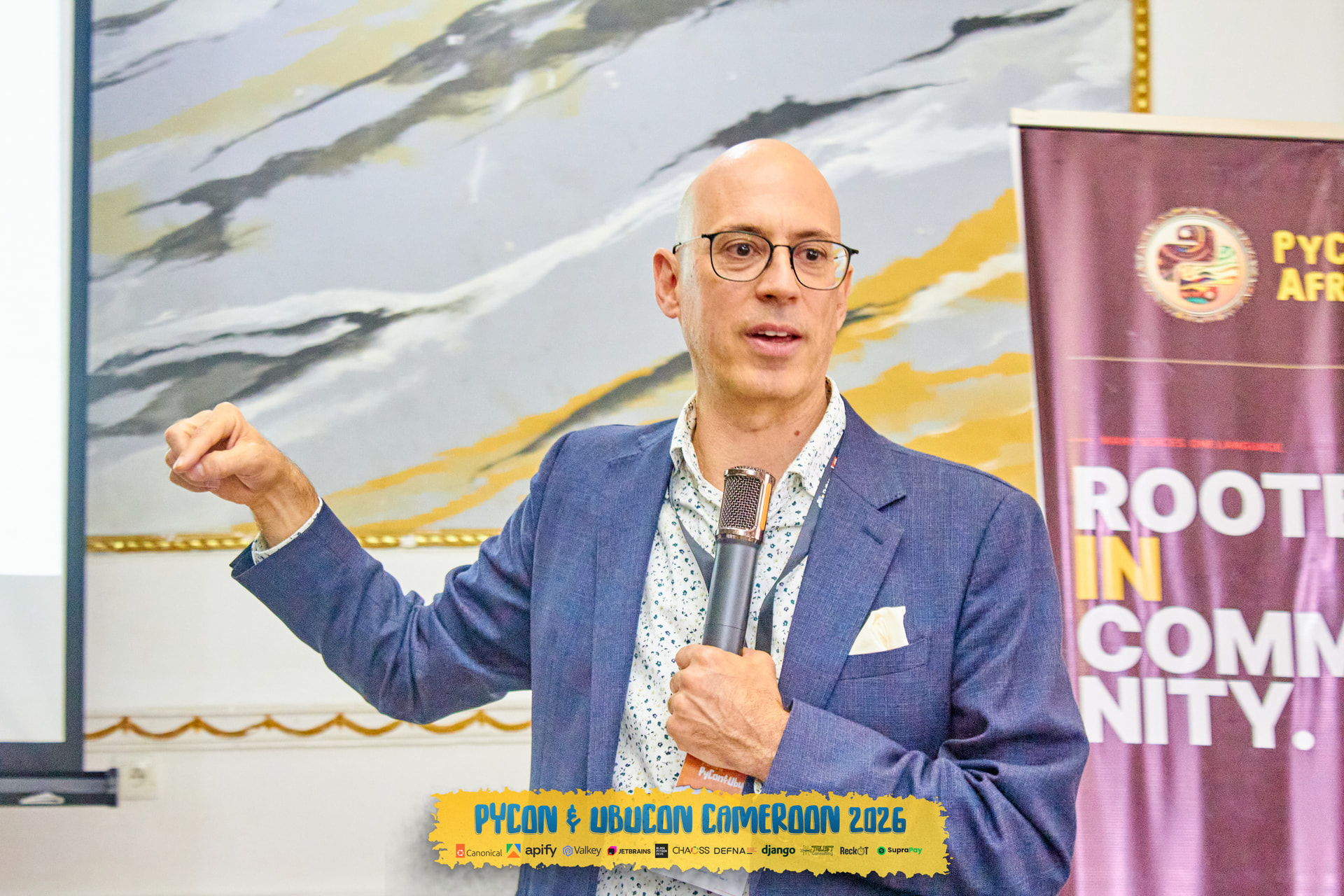
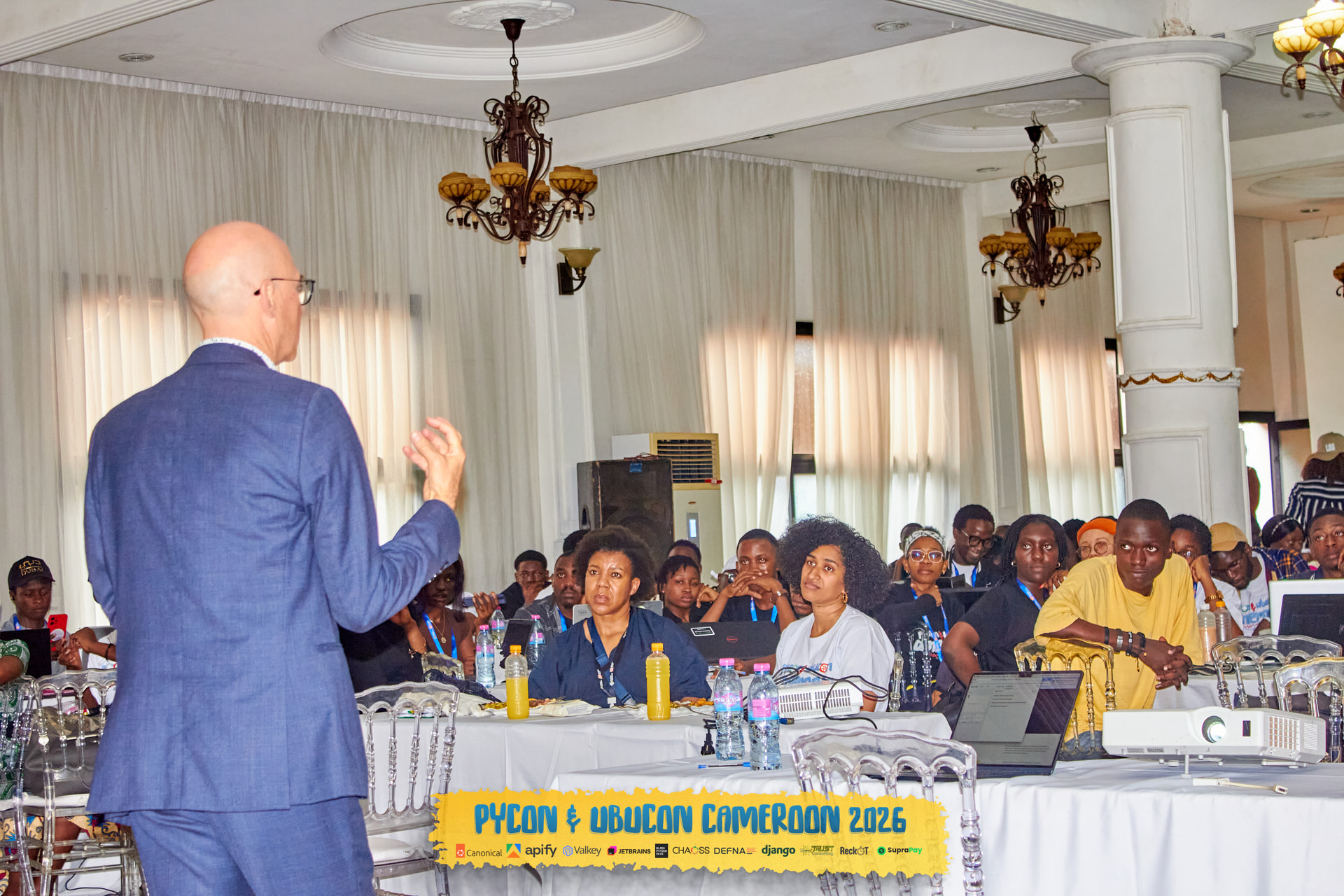
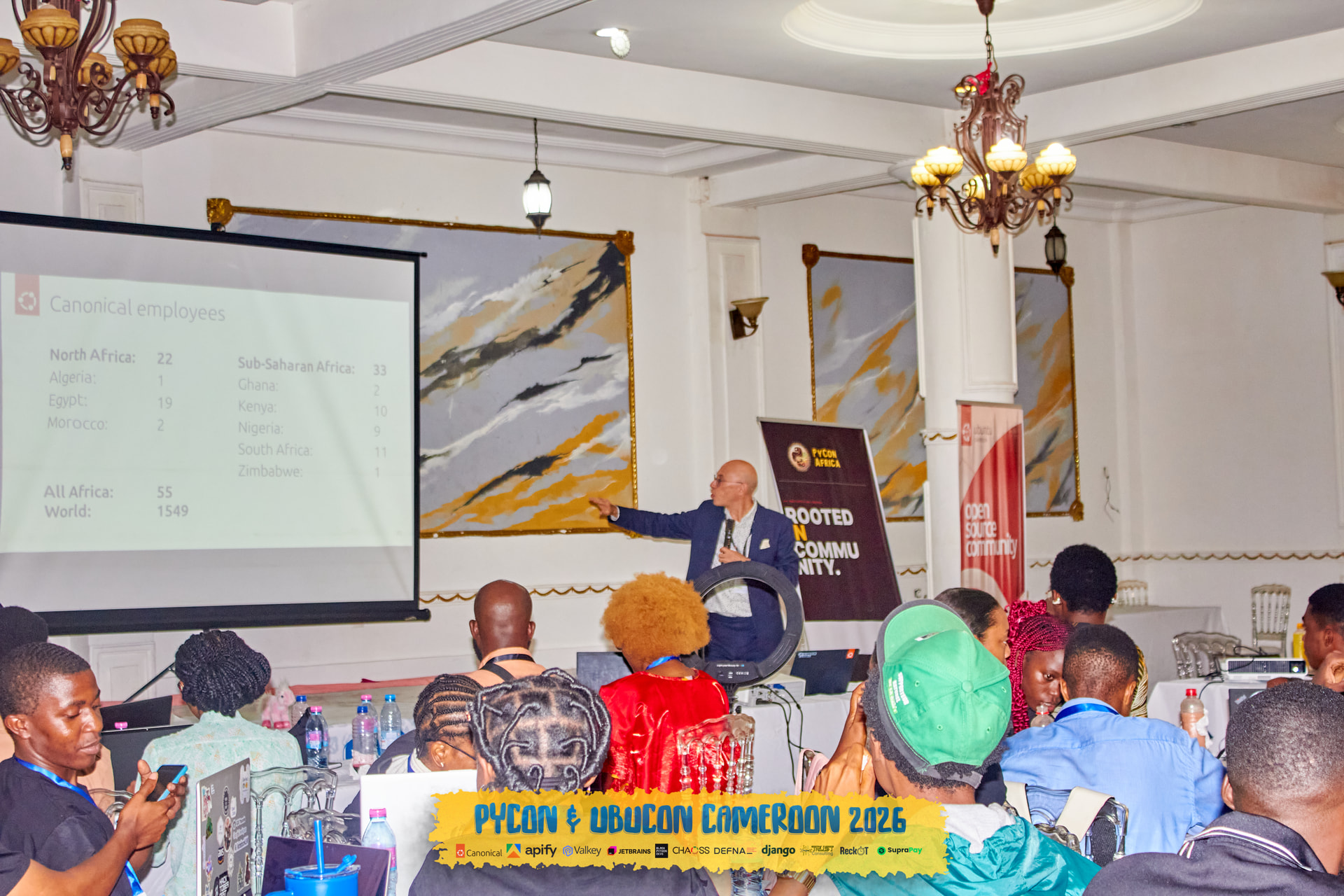
It reinforced something I believe we should continue prioritizing in our community activities: technical education should be accompanied by practical guidance on professional growth.
This is particularly relevant for students, aspiring developers, early-career professionals, and open-source contributors who may possess valuable skills but need support in translating them into career opportunities.
I would genuinely like to see more sessions of this nature incorporated into future Ubuntu Cameroon and other open-source community events.
Throughout the day, the conversations, food, networking, and interactions between speakers and participants added to the experience.
It was encouraging to see technical learning and community engagement complement each other so naturally.
Day Three: Closing the Conference and Celebrating the Community
By the third day, the conference had already created numerous opportunities for learning, networking, and collaboration.
As organizers, reaching the final day also brought a sense of satisfaction.
The work that had gone into preparing the venue, coordinating activities, welcoming guests, and supporting participants was coming together as the event approached its conclusion.
The closing activities provided an opportunity to reflect on the three days and appreciate the contributions of everyone involved.
One particularly memorable feature was the art board, where participants could leave their signatures and personal marks.
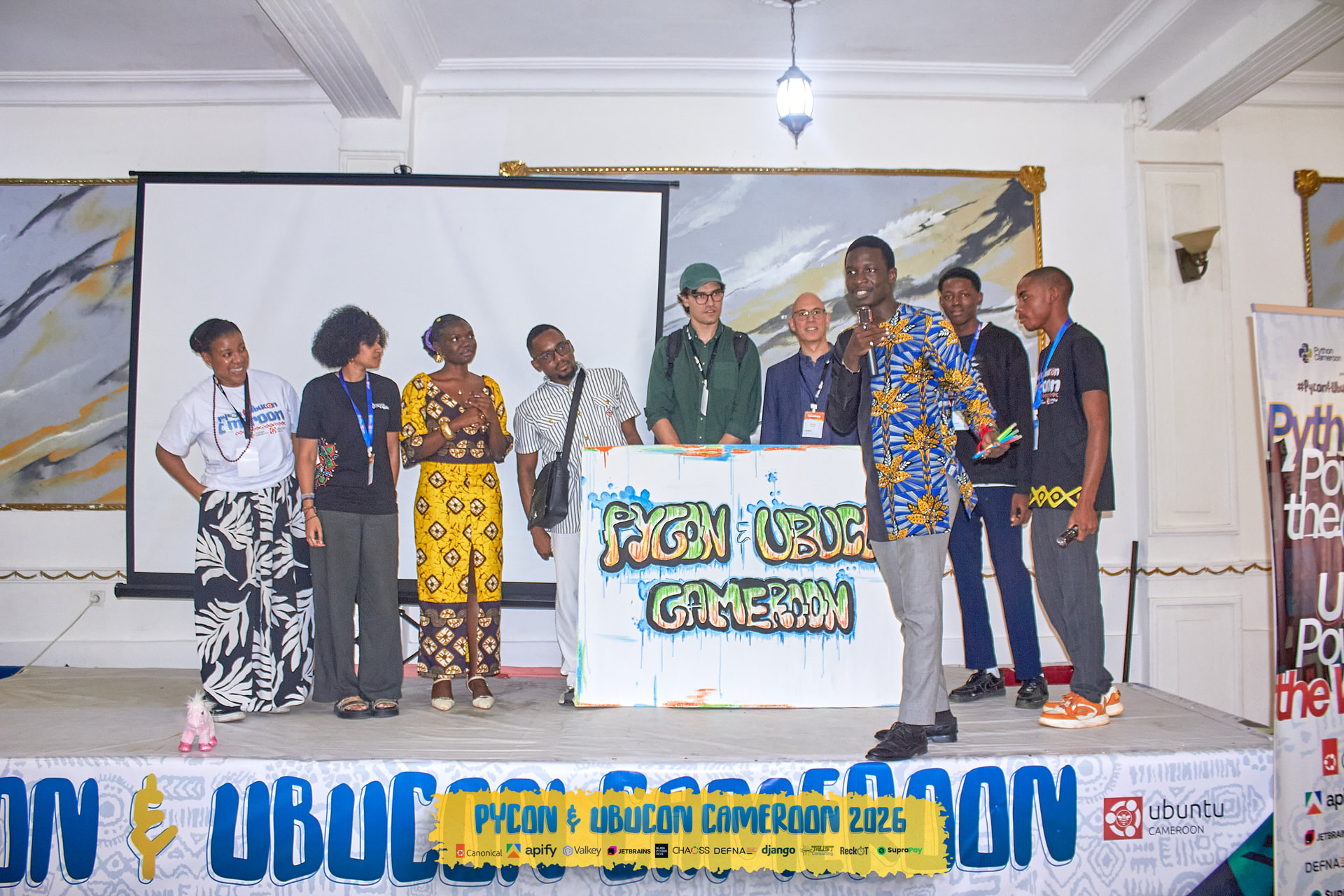
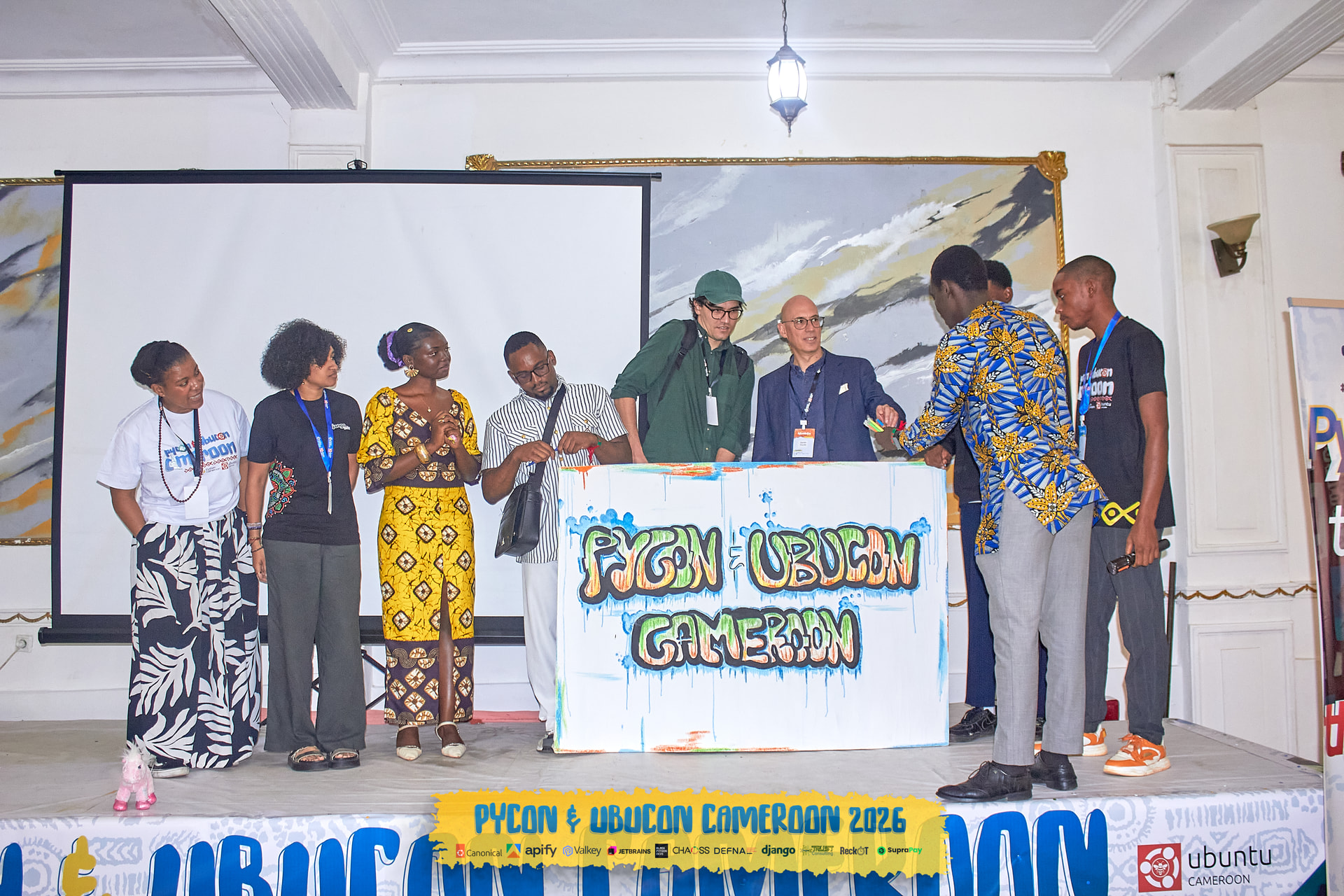
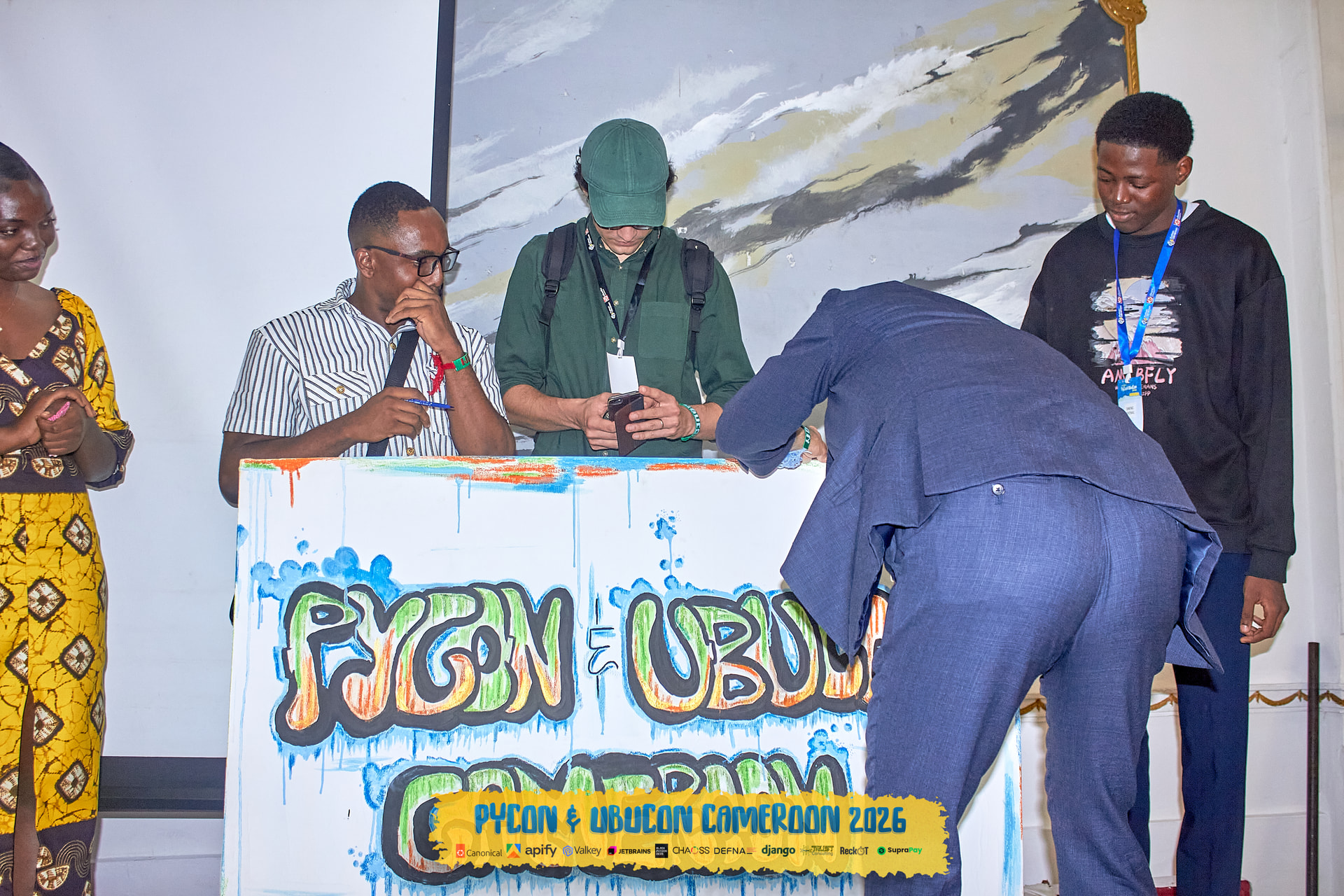
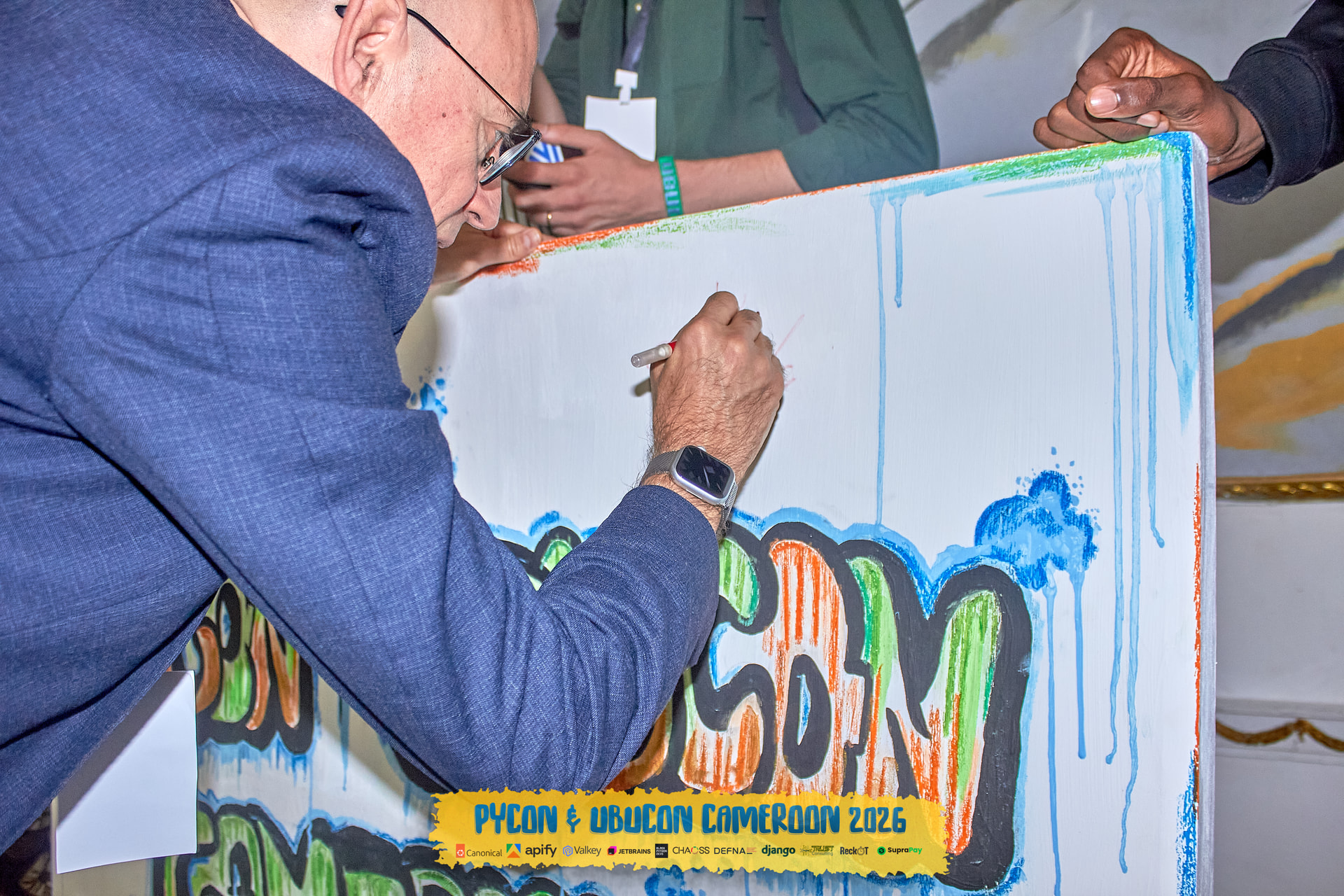
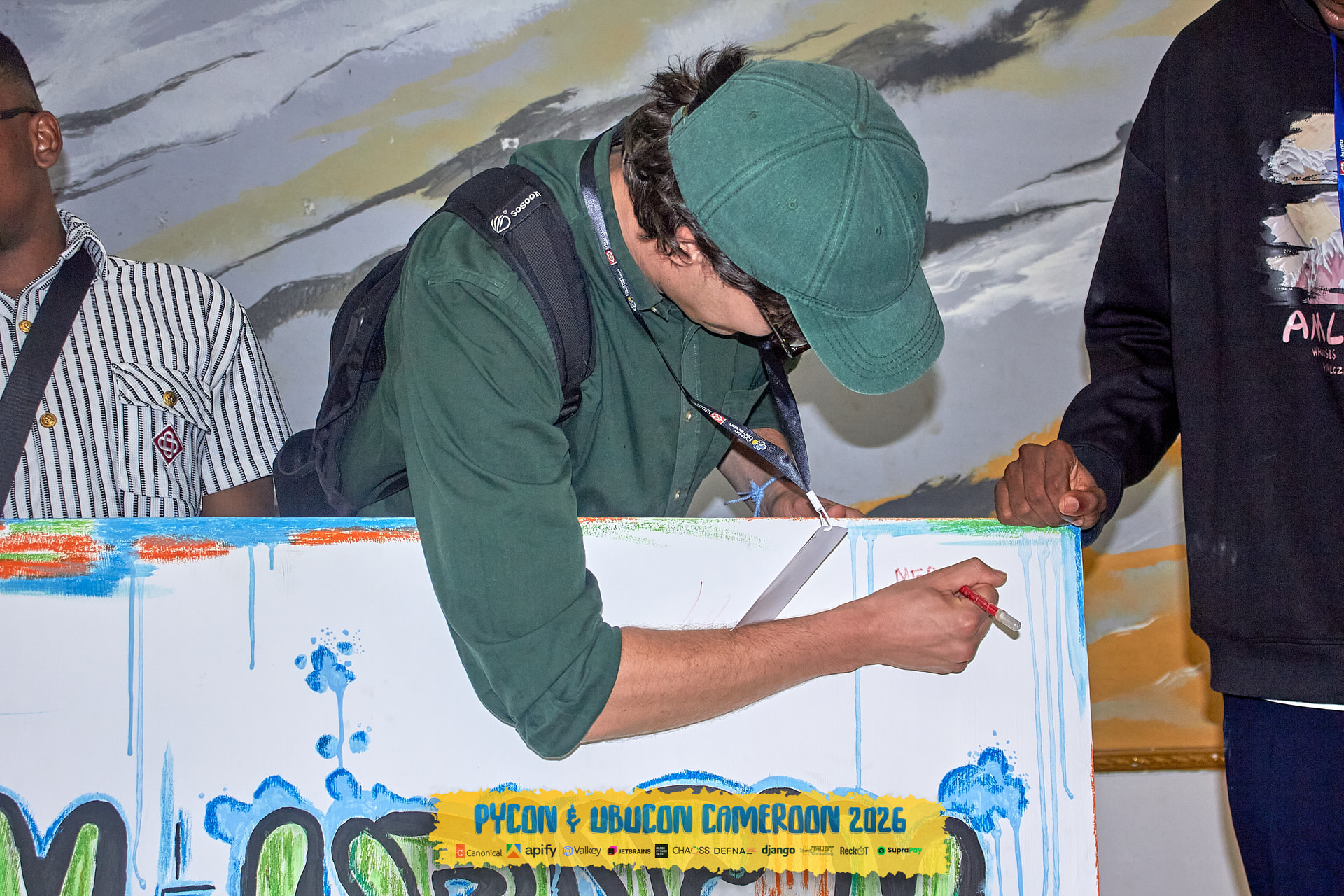
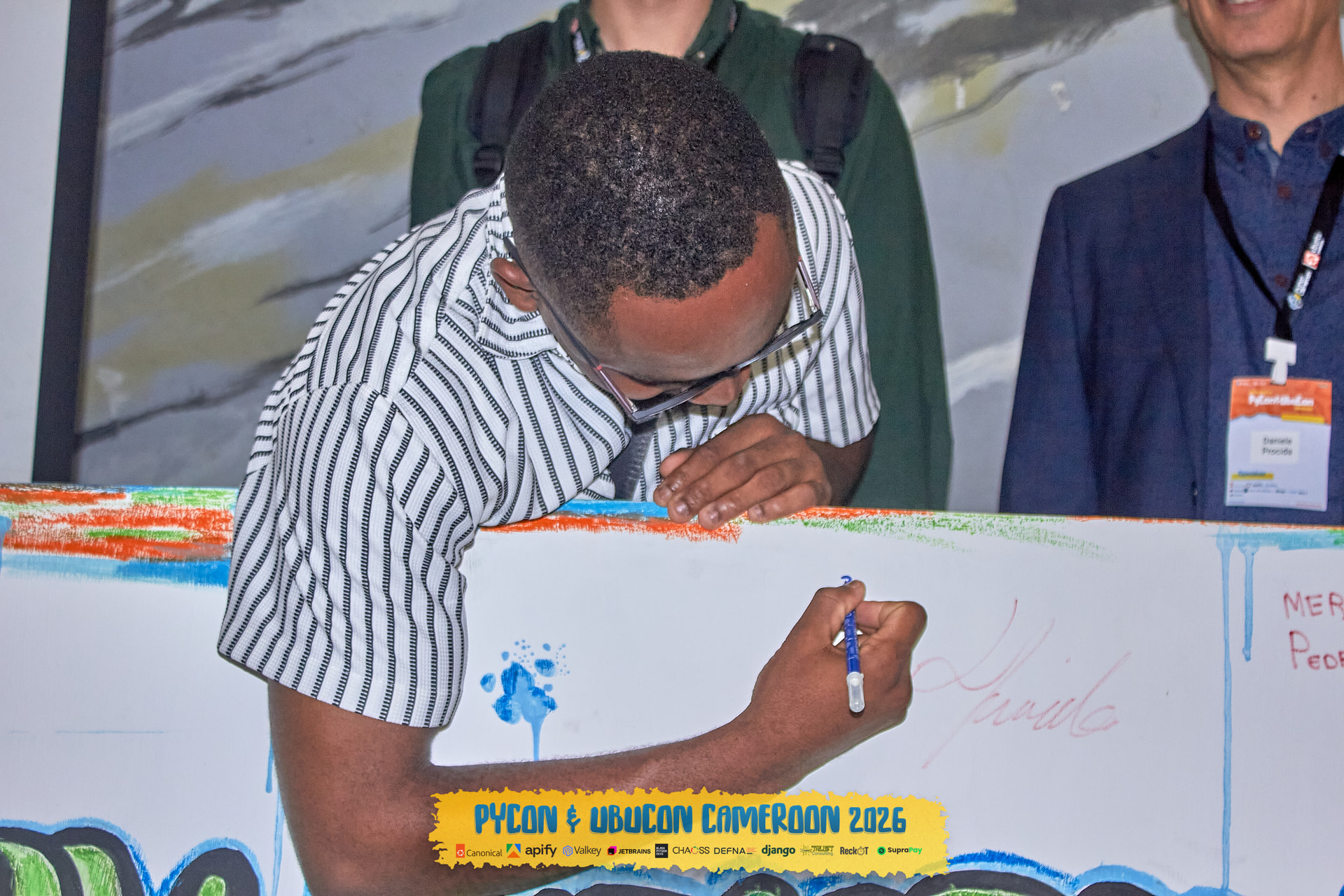

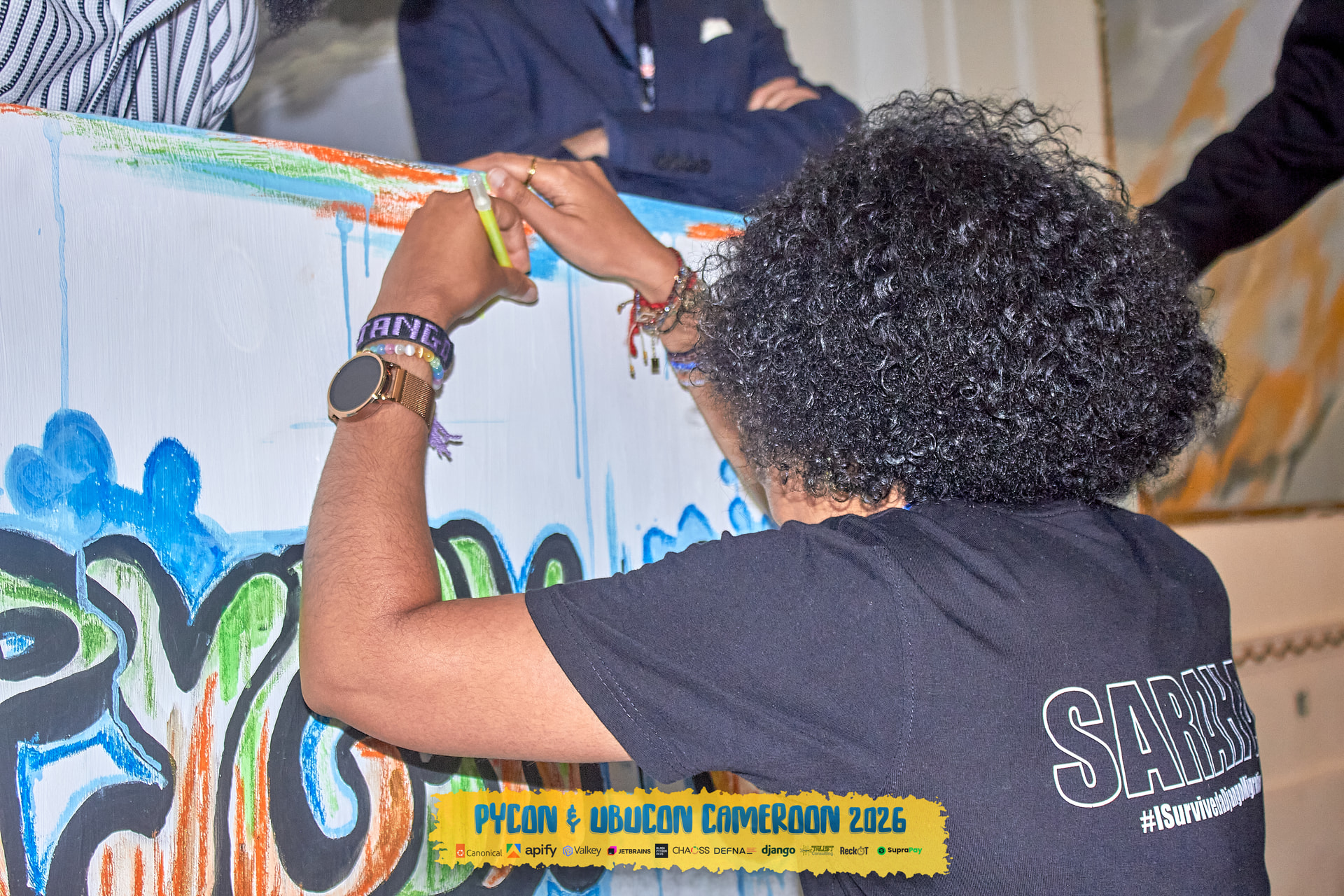

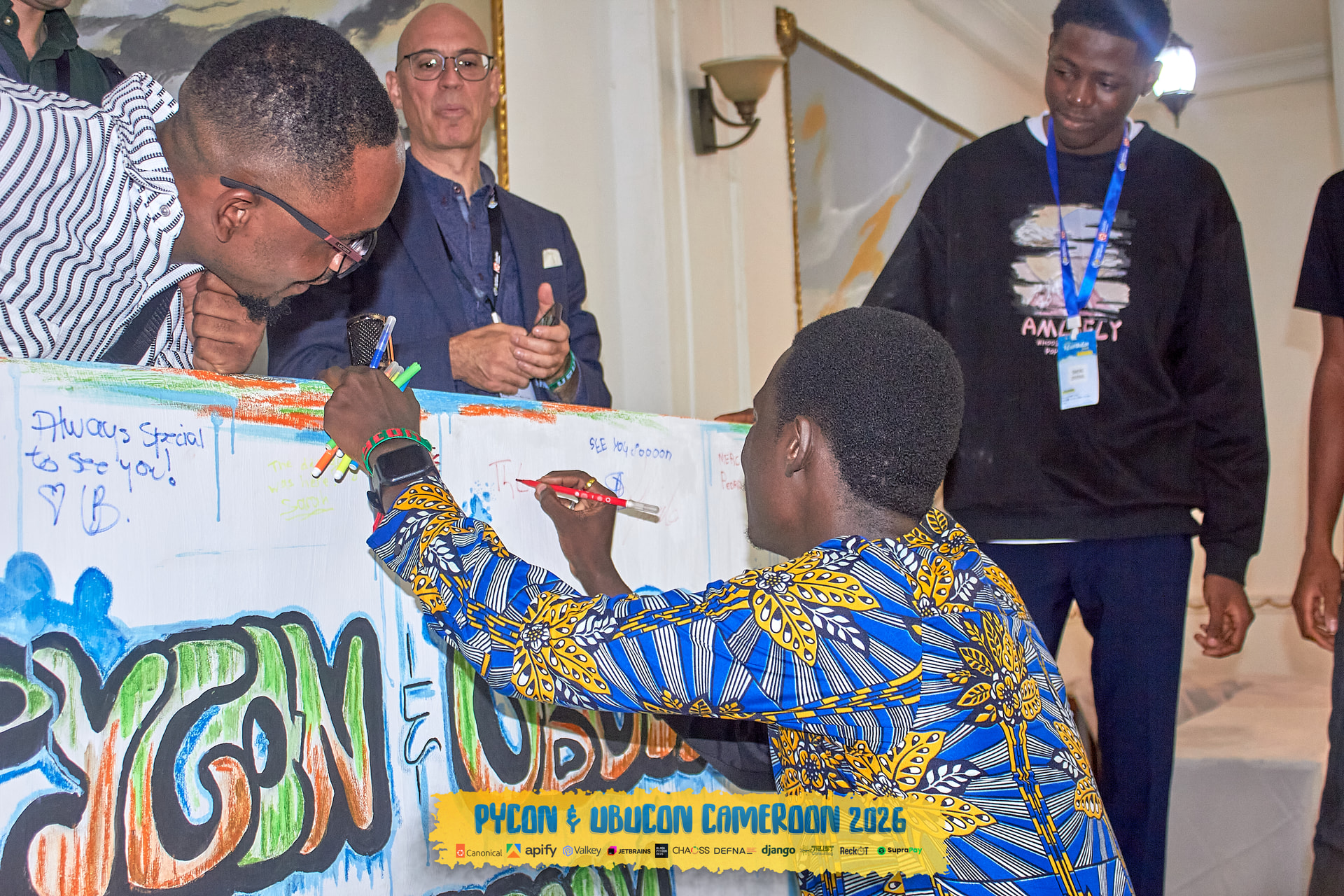
It was a simple activity, but it represented something meaningful.
Every signature reflected someone who had been part of the experience: a speaker, volunteer, organizer, student, developer, or community member.
In many ways, that board captured the spirit of the conference.
Different individuals, different backgrounds, and different experiences, all contributing to something shared.
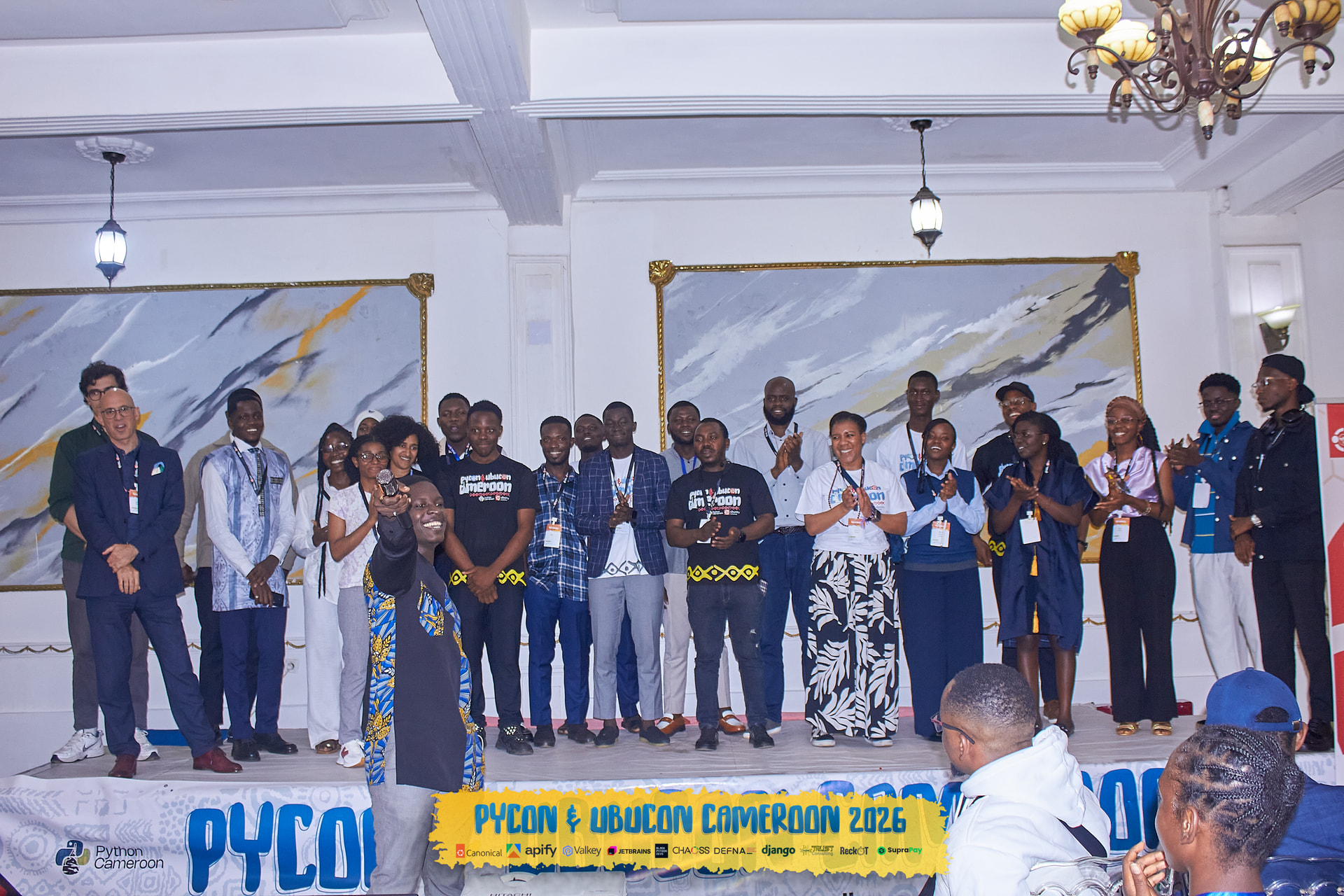
As the formal programme concluded, there was a genuine sense of appreciation for what had been accomplished together.
Beyond the Sessions: The People Who Made It Possible
While the talks and workshops were central to the conference, much of what made the experience memorable happened outside the formal programme.
The conversations between sessions, the moments spent coordinating activities with volunteers, the opportunity to interact with international speakers, and the informal exchanges with attendees all contributed to the experience.
Being involved in the organizing process also provided a different perspective on what makes a community event successful.
It is easy to focus on the visible elements: the stage, speakers, presentations, and photographs.
But behind these are people managing logistics, helping attendees, preparing equipment, coordinating schedules, welcoming guests, and responding to unexpected needs.
These contributions deserve recognition.
I am particularly appreciative of the volunteers and fellow organizers who dedicated their time and effort to ensuring the conference could take place.
Their commitment demonstrated one of the strongest qualities of open-source communities: people contributing what they can toward a shared goal.
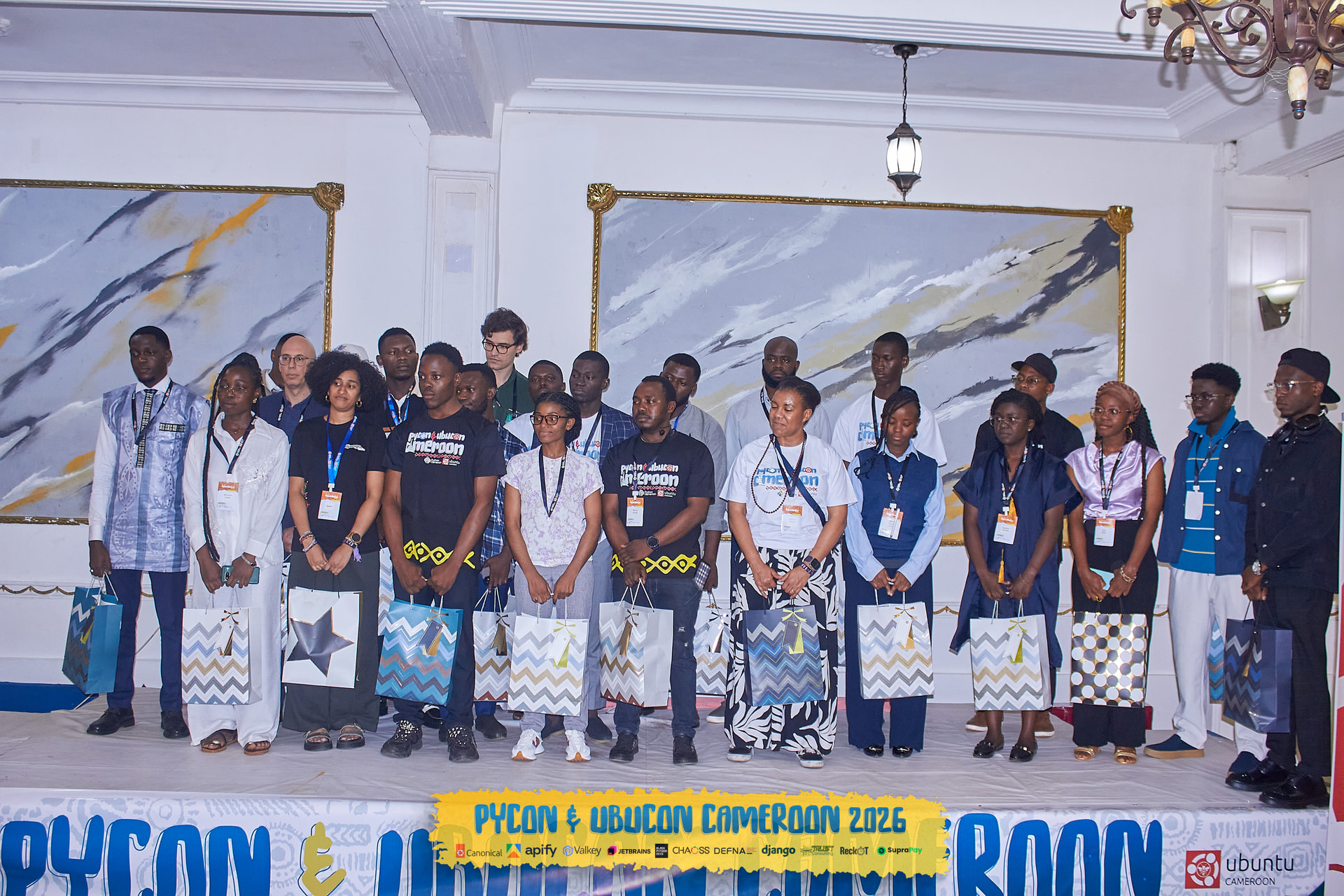
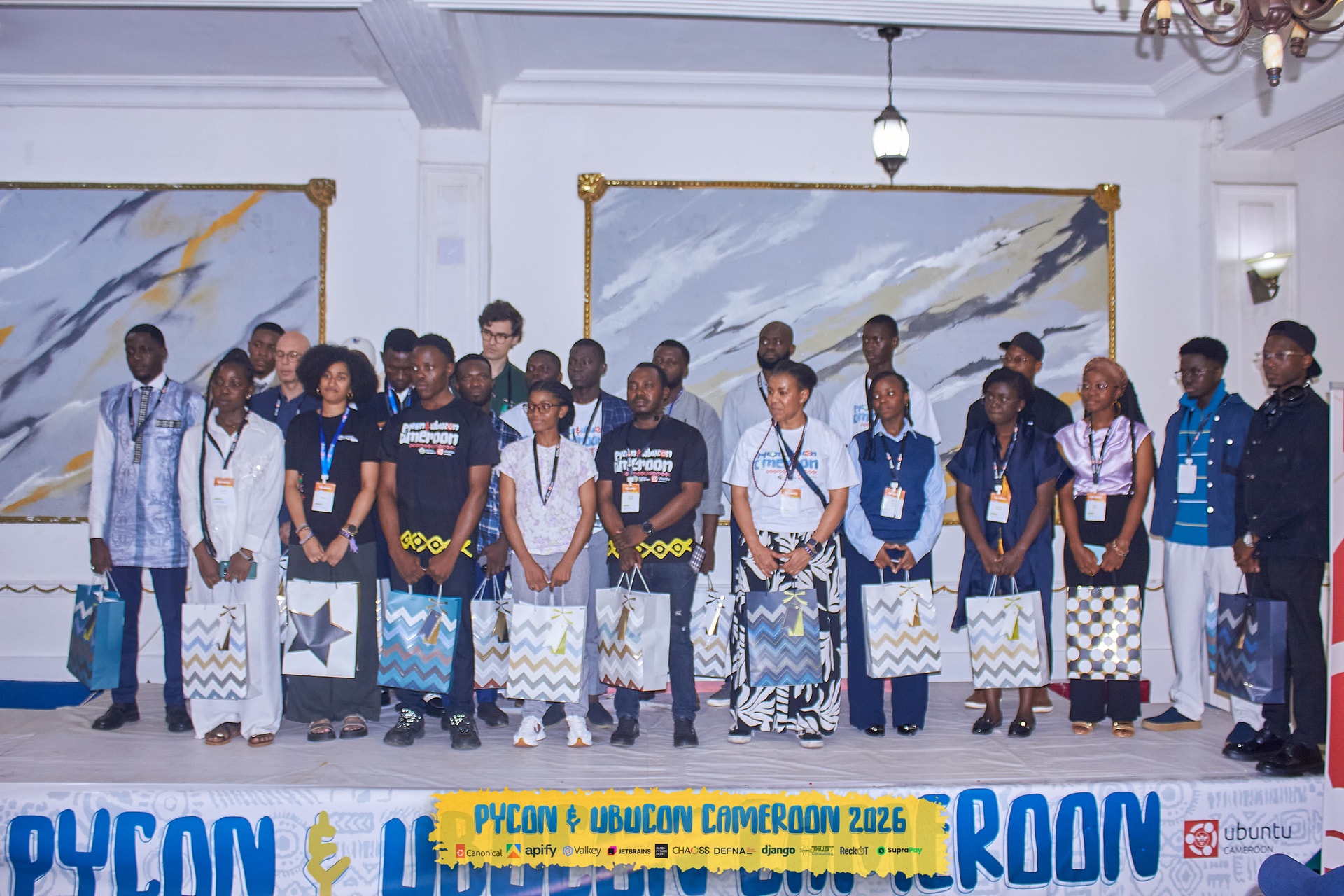
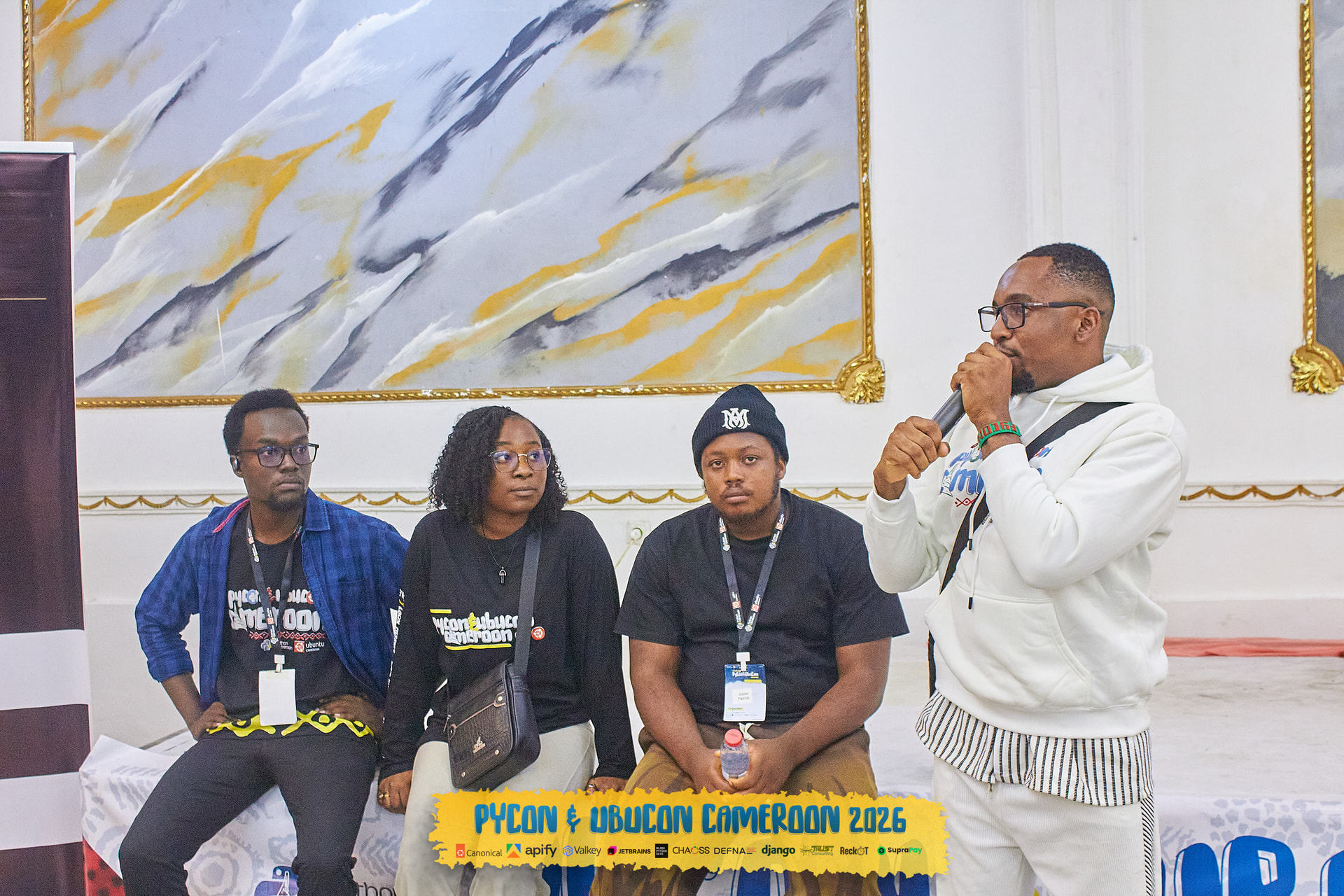
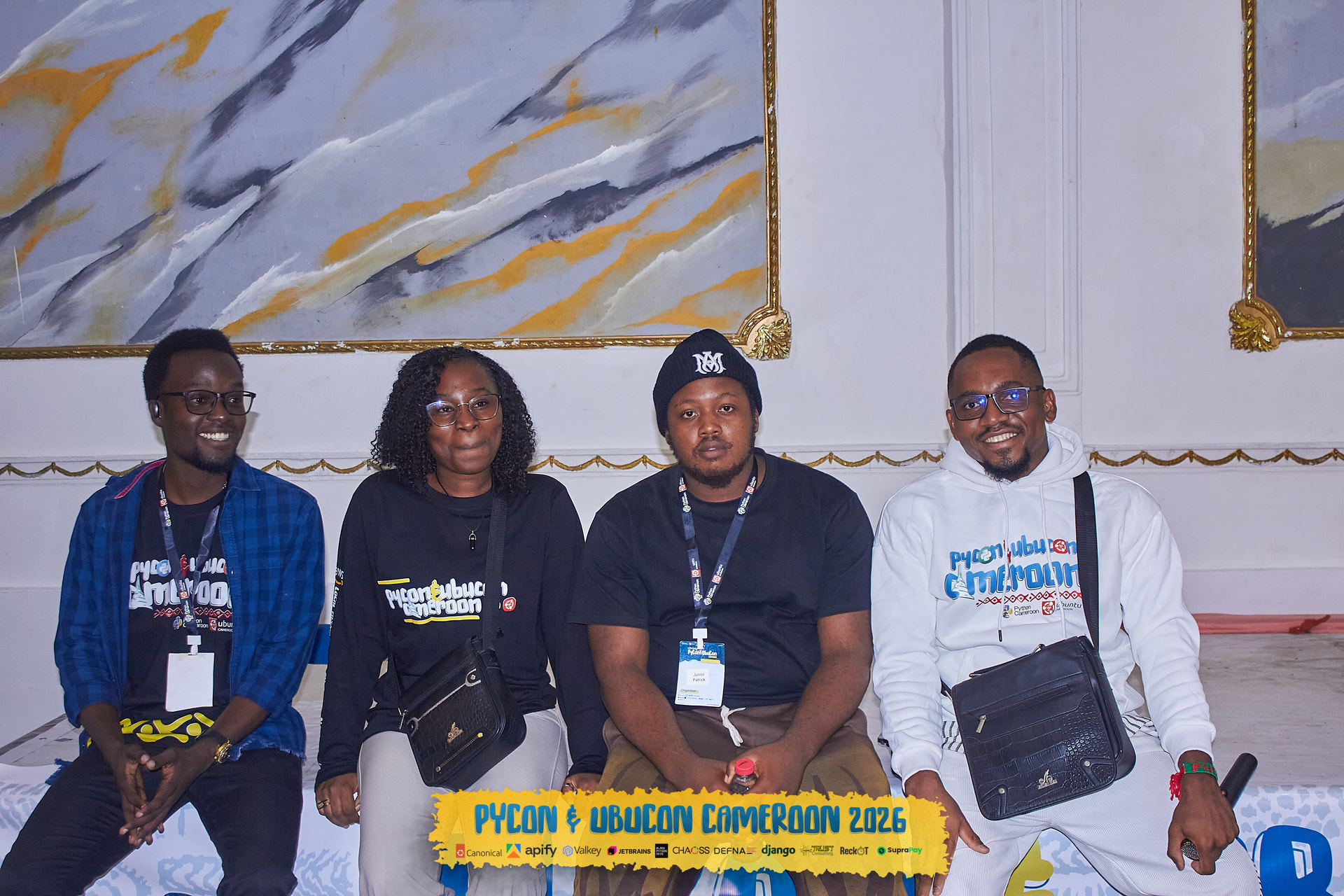
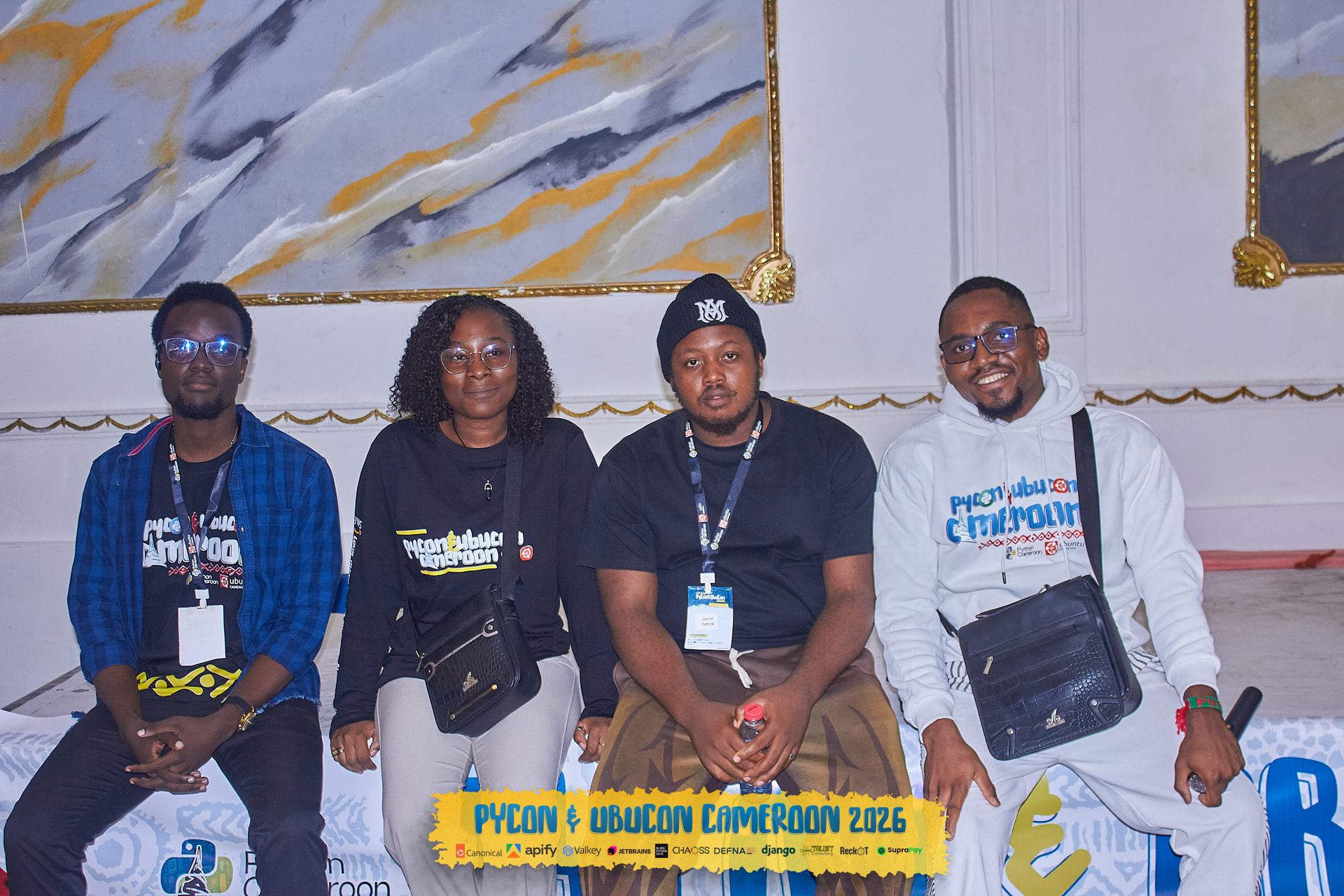
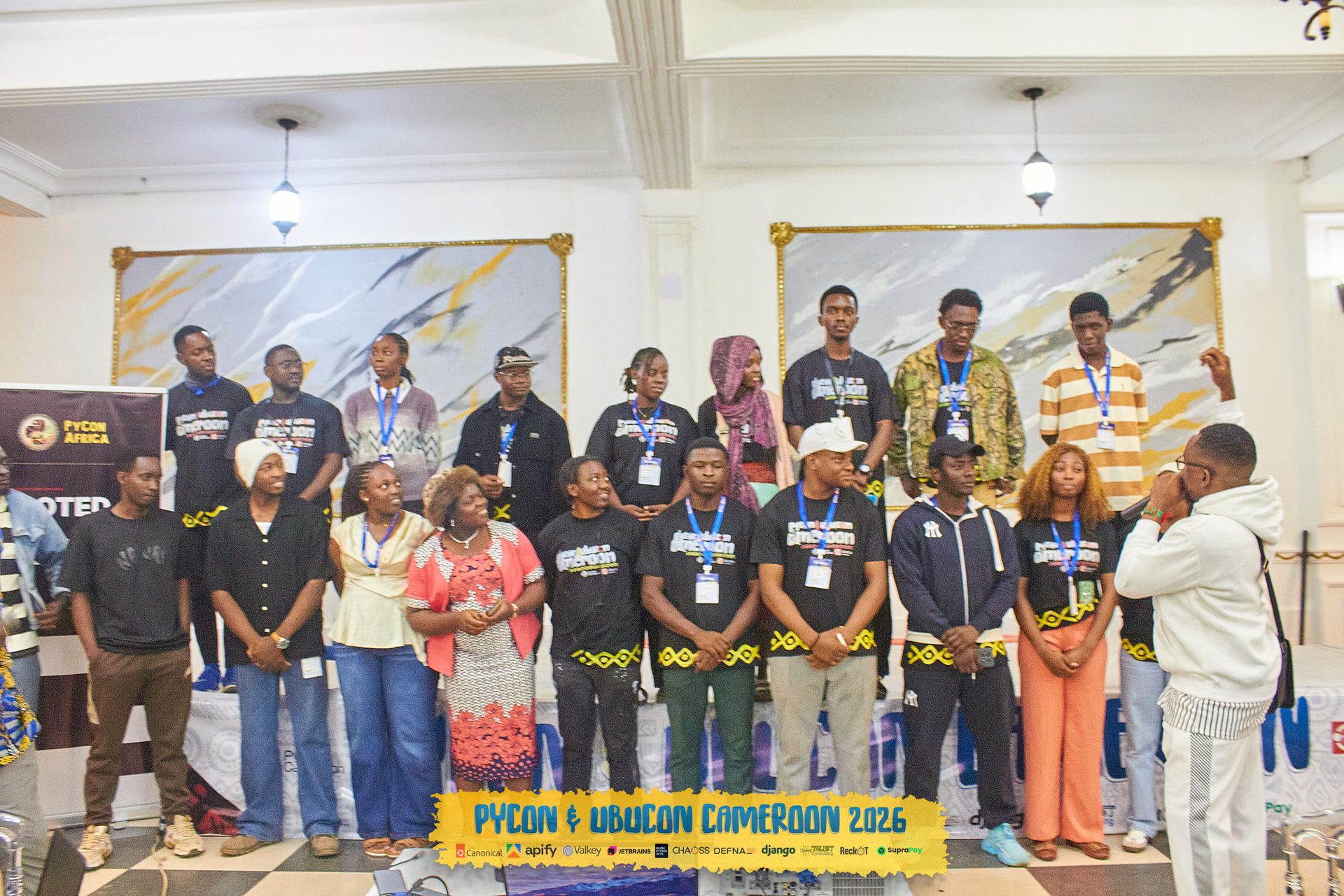
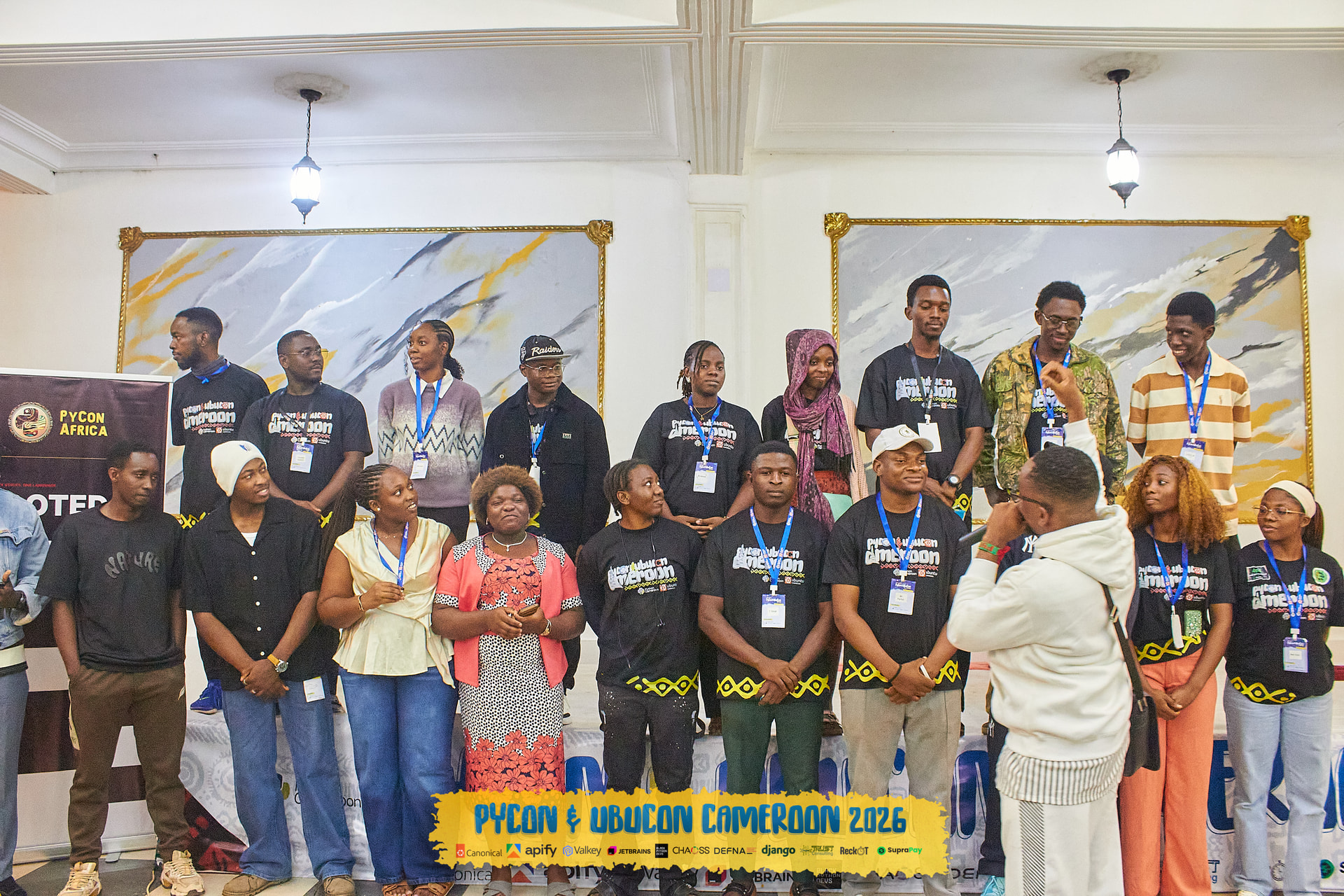
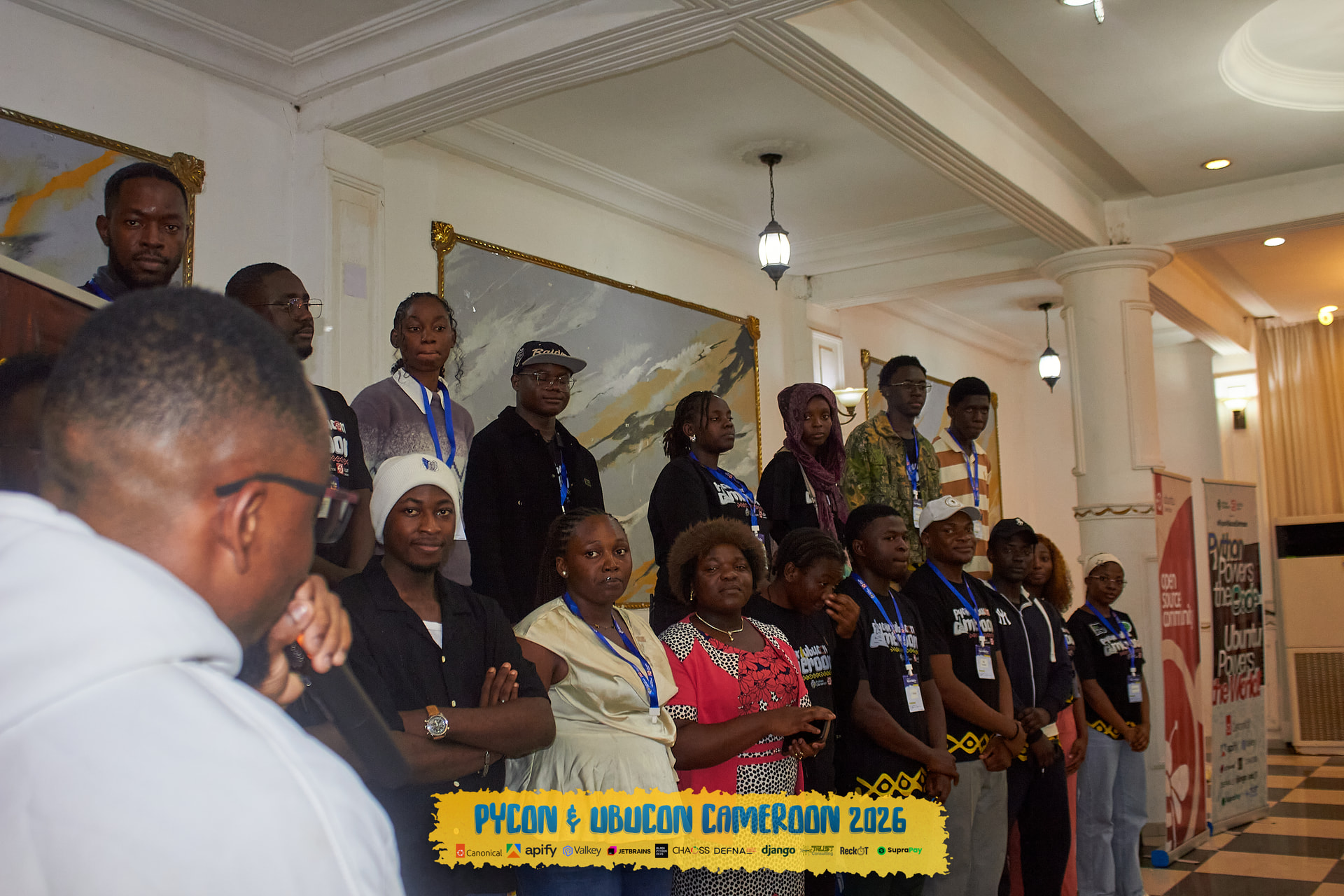
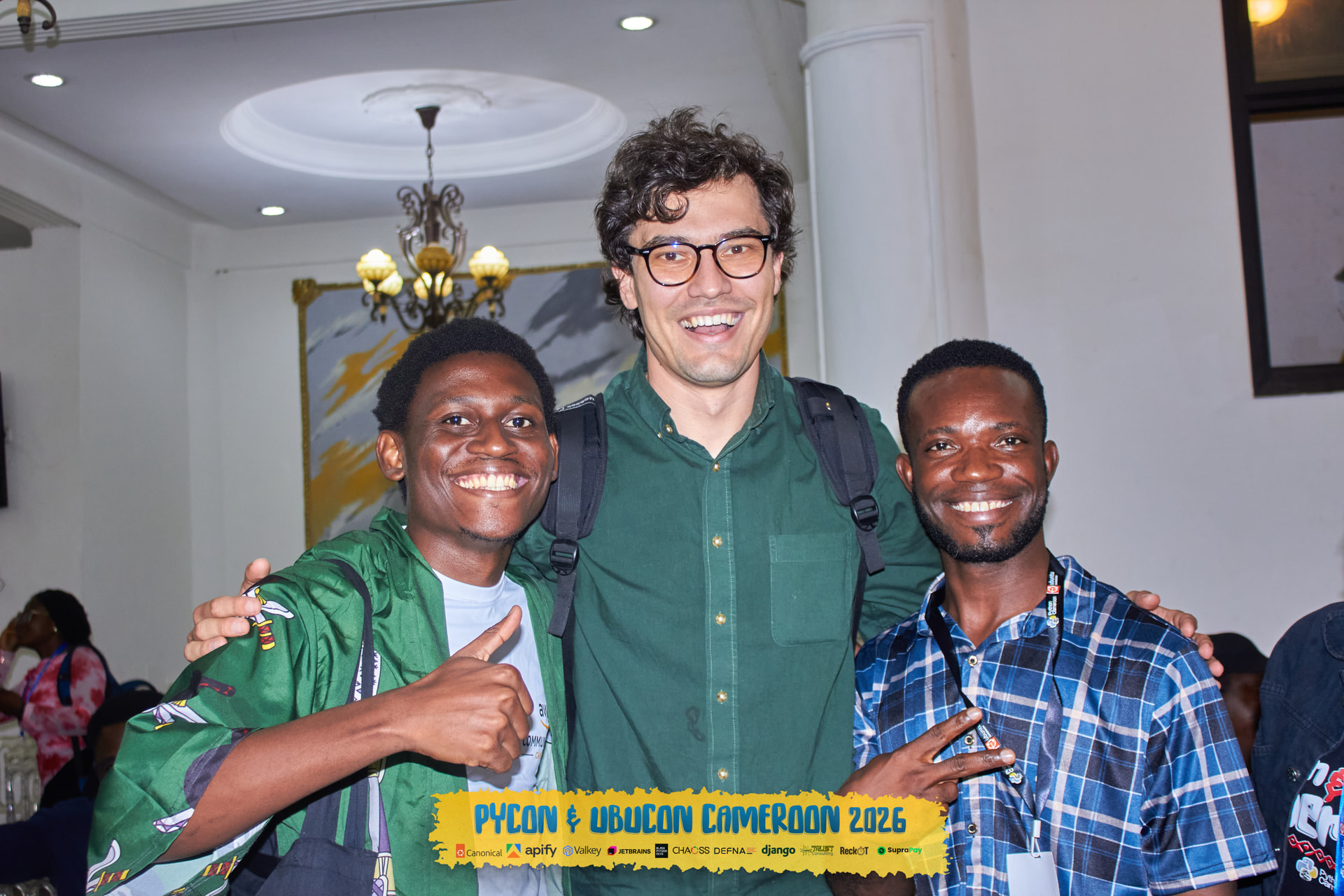
The Speakers’ Dinner: Connecting Beyond the Conference Hall
Following the conference activities, we had the opportunity to come together for the speakers’ dinner.
After several days of preparation and a busy conference programme, the evening offered a welcome opportunity to relax, reflect, and spend time together outside the formal event setting.
The rooftop atmosphere, music, conversations, and shared experiences made it a particularly enjoyable conclusion to the conference.
For me, these informal gatherings are an important part of community building.
They create opportunities for people to connect beyond their roles as speakers, organizers, or attendees.
Some of the most meaningful relationships within open-source communities begin through simple conversations at events like these.
It was a fitting way to conclude three days of collaboration and shared experiences.
What This Experience Means for Ubuntu Cameroon
Beyond my personal experience, UbuCon @ PyCon Cameroon 2026 offered valuable lessons for our continued efforts to grow the Ubuntu Cameroon LoCo community.
Bringing Ubuntu-related activities into a broader technology conference demonstrated the potential of collaboration between communities that share similar values.
Python and Ubuntu have different areas of focus, but both communities benefit from knowledge sharing, open collaboration, accessible technology, and opportunities for people to learn from one another.
Participating in a co-located event also provided practical experience in community coordination, volunteer engagement, speaker hospitality, and programme delivery.
These are lessons we can carry into future Ubuntu Cameroon initiatives.
For our community, I believe the experience reinforced several important priorities:
- Strengthening local participation: Creating more opportunities for students, developers, and technology enthusiasts to become involved in Ubuntu and open-source activities.
- Combining technical learning with career development: Ensuring our activities help people not only acquire knowledge but also discover how to apply it professionally.
- Encouraging collaboration: Building constructive relationships with other technology communities while continuing to develop Ubuntu Cameroon’s own identity and initiatives.
- Investing in volunteers and community leadership: Recognizing that sustainable communities depend on people who are empowered to contribute, organize, and take responsibility.
- Maintaining continuity beyond individual events: Turning the enthusiasm generated during conferences into ongoing workshops, projects, mentorship, and community participation.
As we look toward future Ubuntu Cameroon activities, including opportunities to organize more community-driven events in Bamenda and beyond, these lessons will remain relevant.
Our objective should not simply be to organize events for the sake of organizing them.
It should be to build a sustainable community where people can learn, contribute, collaborate, and grow.
A Personal Takeaway: Building Opportunities, Not Just Events
Of all the experiences during the conference, Daniel’s career-focused session remains the one that resonated most strongly with me.
It highlighted an important responsibility we have as community organizers.
We can introduce people to technologies, encourage them to contribute to open source, and help them develop technical skills.
But we should also consider how those experiences can improve their lives and create pathways toward meaningful opportunities.
A workshop that helps someone understand a new technology is valuable.
A conversation that encourages someone to make their first open-source contribution is valuable.
And a session that helps someone approach their professional future with greater confidence can be equally transformative.
This is the kind of impact I hope we can continue building through Ubuntu Cameroon.
The experience also strengthened my appreciation for the organizational work required to make these opportunities possible.
Every successful event is the result of preparation, coordination, and people working together, often without expecting recognition.
That spirit of contribution is fundamental to open source.
Appreciation and Looking Ahead
As I reflect on UbuCon @ PyCon Cameroon 2026, I am grateful for the opportunity to have contributed to the event and shared the experience with so many passionate individuals.
My appreciation goes to the PyCon Cameroon organizing team, the Ubuntu Cameroon community, our speakers, volunteers, partners, and everyone who contributed to making the conference possible.
To the participants who attended, engaged with the sessions, asked questions, made connections, and brought energy to the venue: thank you for being part of the experience.
Events like this remind us that the strength of a technology community is not measured solely by the number of talks delivered or participants registered.
It is also reflected in the relationships formed, knowledge shared, confidence gained, and opportunities created.
For Ubuntu Cameroon, this experience represents another meaningful contribution to our ongoing community journey.
There is still much to build, many people to reach, and numerous opportunities to explore.
I look forward to taking the lessons and connections from this event into our future initiatives, strengthening local participation, and continuing to contribute to the wider Ubuntu and open-source ecosystem.
Because ultimately, open source is not just about the software we develop. It is about the communities we build and the opportunities we create together.
Thank you to everyone who made UbuCon @ PyCon Cameroon 2026 possible.
For more photos from the event, please visit our UbuCon @ PyCon Cameroon 2026 Google Drive photo gallery.